Author: Chris Puan

  • Buying used, “Outdated” full frame DSLR cameras (updated 2025)

    Buying used, “Outdated” full frame DSLR cameras (updated 2025)

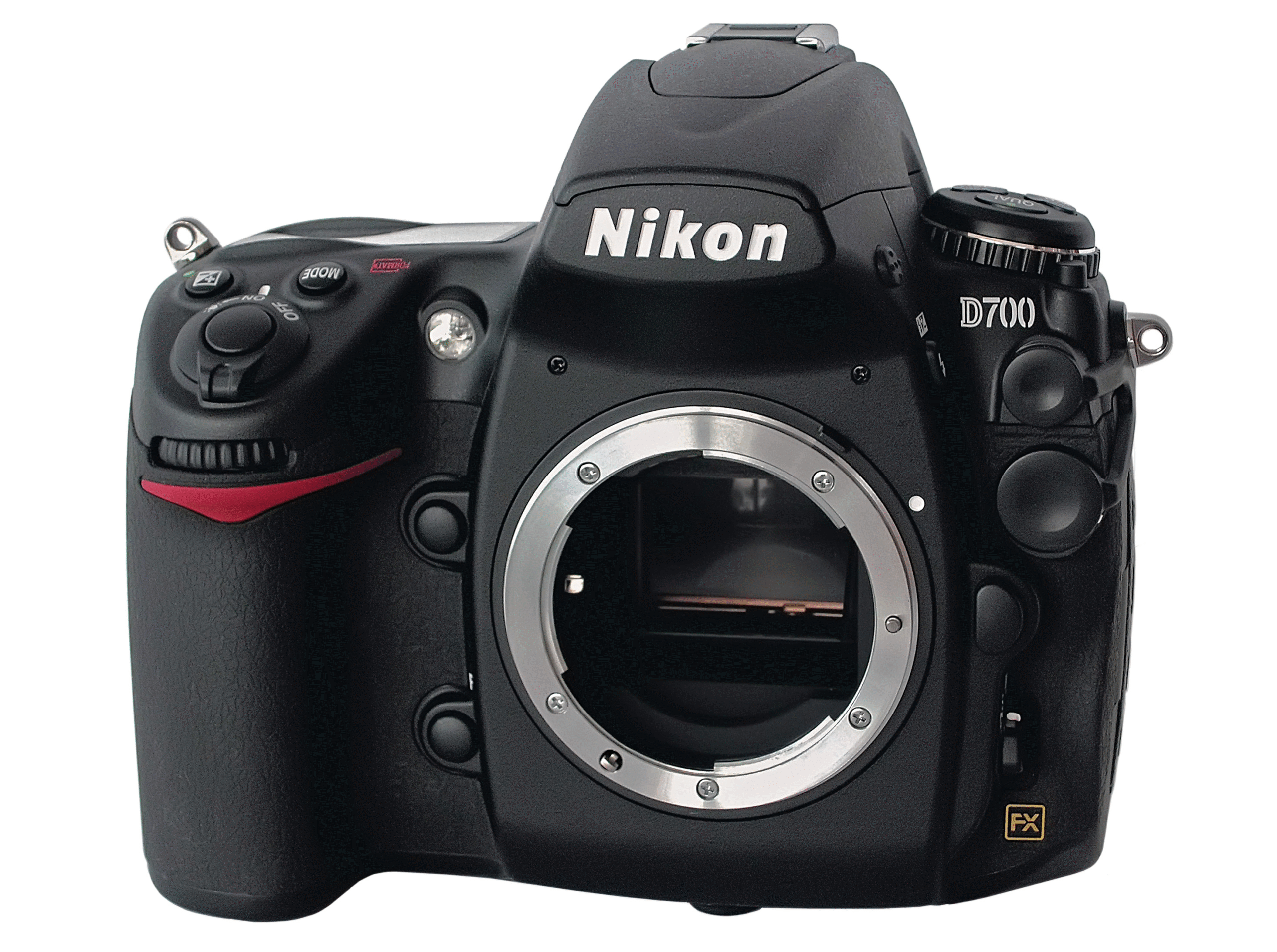
    nikon d700 in mint condition
    A mint condition Nikon D700, image courtesy of Wikipedia Commons

    *This article was originally posted in 2014, but updated in 2025 to reflect some newer cameras.

    Sensor technology is advancing at breakneck speeds. High ISO performance is improving so fast that stratospheric speeds previously unheard of are now reality (it goes into the millions now!).

    But really; do people really need such high sensitivities? Professionals might, but for consumers, ISO 6400 is plenty for most shooting conditions, especially when using prime lenses.

    This is where buying older full frame DSLRs come in for photography buffs looking to get the full frame look (smoother out of focus transition, if you have no idea what this is, you probably won’t care about it).

    Full Frame DSLR Developments

    With the recent surge of full frame bodies available from Canikon, including the so called consumer typed full frame bodies, there are 15 bodies from 2007 til now. Canon1D-X, 1Ds III, 5D MK III, 5D MK II, 5D MK I, 6D, Nikon D4s, Nikon D4, Nikon D3x, D3S, D3, D810, D800, D 700, D610, D600.

    In the last 10 years after 2014, almost every camera manufacturer has stepped up in their camera offerings for full frame cameras on both DSLRs and Mirrorless Cameras. I focus on DSLRs here since they are “older”.

    There are now sufficient full frame bodies, both new and pre-loved, to satisfy almost every photographic niche.
    So, what would be a good choice for you to step into the full frame world?

    System choice aside, stick with something you are familiar with. Most importantly, get something you are comfortable with lugging about on shoots. Any of the cameras above will do the job for many situations that people face, though some will do better than others in specific situations.

    Personal Experience Using an Older Camera

    Personally, I bought the Nikon D3 sometime in 2013, and I have never been let down by it, except in the most challenging of situations (think near darkness where even your naked eyes have trouble discerning anything).

    I can say that using a D3 released me from any perceived limitations, any shot missed is truly my own fault. The speed and capabilities of the flagship body is such that the camera takes the shot at the slightest of touches and reacts as fast as you can.

    The D3’s soul was carried on by other cameras since then, and the closest replacement camera I have now is the D500 (used), but that is a story for another day.

    Take note that with the accompanying large sensor size, compatible lenses will necessarily be large and heavy. Barring technological advancement, this is how it will be for the coming few years ahead. Hence, think about what you intend to shoot. Will it be fast paced sports, portraits, landscapes?

    2 Common Used DSLRs People Recommend

    I will be listing 2 of the original “old but accessible” full frame cameras under several general shooting categories for the uninitiated.

    The Nikon D700 and Canon 5D Mark II remain capable, somewhat fun cameras to use at a budget for budding photographers looking for something cheap, durable but very much still capable (even in 2025).

    used nikon d700 DSLR
    A lightly used Nikon D700 in Singapore can be bought for S$650 or less.
    used Canon 5D Mark II DSLR
    A lightly used Canon 5D mark II can be had for S$375

    Of course, each camera can be used for any purpose that you deem fit, the grouping simply makes the choice slightly more “optimised” for that usage.

    Here goes:

    Landscape: Canon 5D Mark II

    The high megapixel count of 21 MP definitely works in the 5DMark II’s favour over its Nikon equivalent (12MP). The relatively poor autofocus is not critical given that your static landscape photo op isn’t exactly going to test the agility of the AF system.

    Macro: Canon 5D Mark II

    Once more, the high megapixel count will work in its favour. Macro shots favour detail above all, more  megapixels should, all things being equal (light availability, for instance), mean more detailed photos. Another big plus for the Canon lies in the form of the MP-E 65mm, a specialty Macro lens that has no equal (to my knowledge) in the Nikon or Sony lens lineup.

    Canon_MP-E65mm

    Having the MP-E with a 5D Mark II will set you back quite a fair sum, be prepared to feel some pain in the wallet. Of course, if you are on a budget, the 100mm USM Macro will fulfill your purposes just fine.

    Sports: Nikon D700

    Qualities valued in sports is responsiveness, autofocus speed and high frame rates per second (FPS). Short of going all the way to the former flagship D3, the D700 will be the camera that gives Nikon users all they need for sports. 8 FPS (with grip), 51 point AF system, excellent buffer capacity and superb high ISO performance ensures that the D700 will serve you well in a sports shooting situation.


    Street shooting: Nikon D700

    Again, qualities to look out for are similar to that of sports. High ISO performance during night shoots (from past experience, the raw file is forgiving at ISOs of up to 3200), responsiveness (instant on, ready to shoot), quick and accurate AF (the Nikon 51 point AF system is still so good), all help with capturing “the Moment”.

    Video: Canon 5D Mark II

    This is a no brainer. Short of going to Sony Mirrorless bodies, the venerable Canon 5D Mark II was the camera to go to (pre-2010) for video shooting and the one that made HD DSLR Filmmaking mainstream. Excellent bit rate, decent filming ergonomics make the 5D Mark II a superb performer on the video arena.

    For people willing to tinker with the camera’s firmware, Magic Lantern has an excellent update for the 5D Mark II that opens up many useful features, and for free as well.

    Magic Lantern Liveview Overlay on the 5D Mark II, image from Wikimedia Commons

    General shooting: D700

    Nikon D700 with a Nikkor 50mm 1.2 prime lens
    Image Courtesy of Nokton (https://www.flickr.com/photos/nokton/2994927246)

    Call me biased here, but I favor the D700 simply due to the very manageable 12 Megapixel files. Quite simply, smaller but still very malleable raw files make it a pleasure to edit the files in either Lightroom, Capture Pro or your raw processor of choice.

    Also, don’t forget storage (either on your computer or on the go) is much easier with smaller files. Storage may be cheap, but hey, whatever helps right?

    This article may go outdated very quickly, given how fast new full frame models are being thrown out of factories .

    Nevertheless, if you are on a budget but still want the full frame look and older high specification performance, older DSLRs are definitely worth a look. If you’re looking for a prime lens to go with your camera, I review the Sigma 85mm 1.4 HSM.

    Which one you choose will likely depend on your personal preference and pricing and availability.

    PS. Looking for something smaller? I talk about the entry level Nikon D3200 vs the Olympus OMD EM5 here.
  • Review: Sigma 85mm f/1.4 HSM (Non Art) on the Nikon D3 (updated 2025)

    Review: Sigma 85mm f/1.4 HSM (Non Art) on the Nikon D3 (updated 2025)

    Back in 2014, it was some time before I was able to put my paws on the gorgeous Sigma 85mm 1.4 HSM (non Art). I made the transition from using the Nikon 70-200mm f/2.8G VR (version 1 of the F mount lens) for portraiture, with the key motivation being the desire for more light (more!) and shallow depth of field (bokeh!).

    Using the Sigma 85mm f/1.4 (Non Art) with the Nikon D3

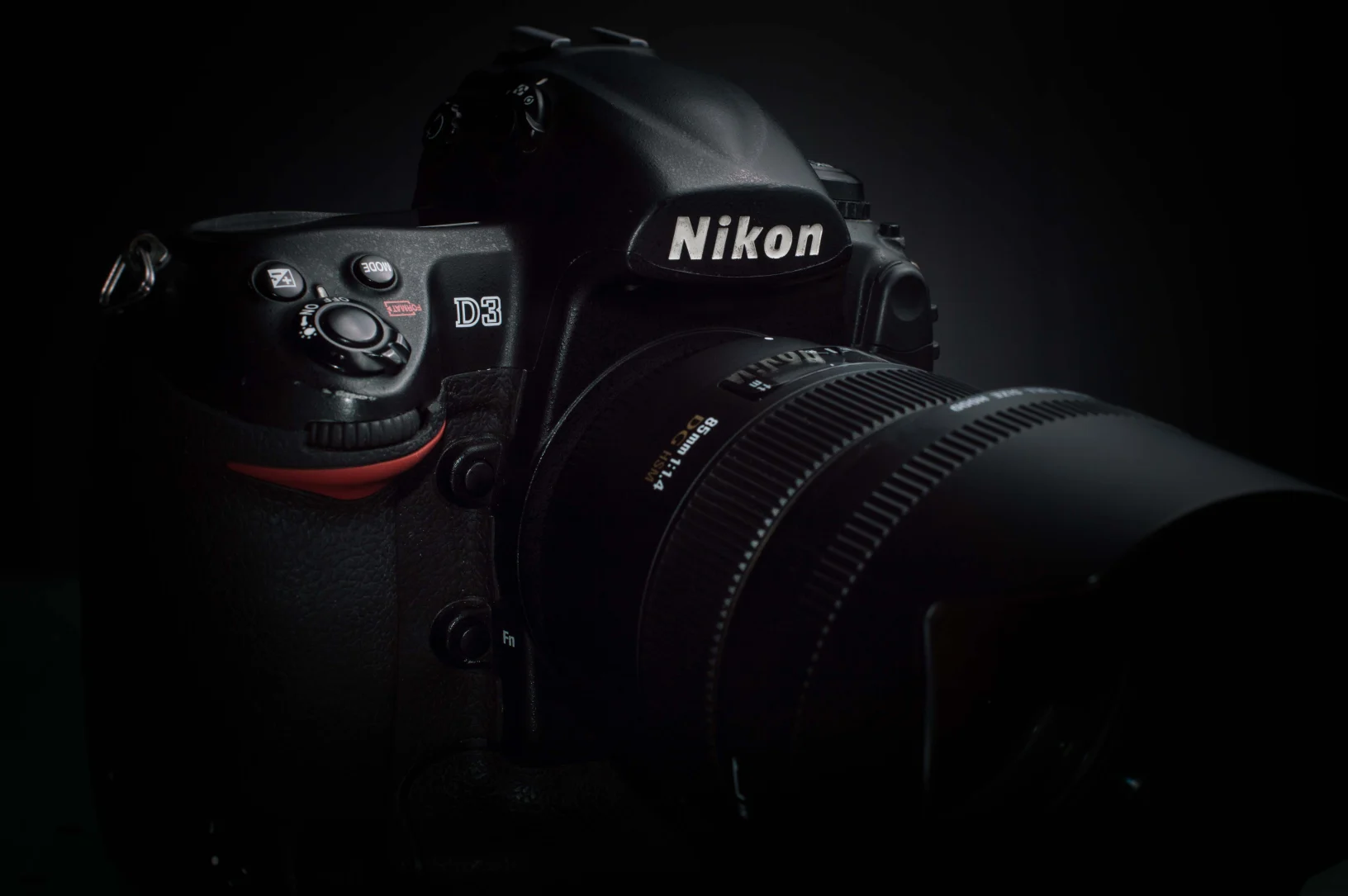
    Sigma 85mm 1.4 HSM on a Nikon D3, front view
    D3 with the Sigma 85mm f1.4 HSM mounted

    Ergonomics

    The lens feels superb on my D3, neither threatened to overwhelm the other when I carried the body by its grip using one hand (without a strap,  I might add). The lens comes with a customisable hood, the normal one for FX and an extension for DX coverage.

    Autofocus Speed

    Auto focus was fast and sure on the D3 in good light. The speed wasn’t as lightning fast as the Nikon pro grade standard zoom 24-70, but this was no slouch. Certainly faster than my Nikon 50mm f1.4G, itself akin to an old man taking a leisurely stroll to the nearby grocery store.

    Be wary of sample variation with AF accuracy, as I found my copy to have slight front focusing. I managed to remedy the issue with -5 AF fine tune on my D3 (most of the professional grade DSLRs from Nikon offered this). This is something to note for users of bodies without the AF fine tune.

    image shot on Sigma 85mm 1.4 on a Nikon D3, check the Bokeh
    Critical focus has been missed, or rather, the DOF is so thin that the clothes are in focus rather than the face. Take note of any front or back focusing issues.

    Image Quality on the Sigma 85mm 1.4 (Non Art)

    Image quality is pretty good, I have no complaints with sharpness on my D3. Granted, the corners maybe lacking, but for its primary usage, ie. portraiture, this should not be an issue.

    When checking focus using the Centre button magnification function, I found the lens to be sharper than the Nikon AFS 50mm 1.4G when both are wide open.

    image shot on Sigma 85mm 1.4 on a Nikon D3, check the Bokeh
    D3 with the 85mm, shot wide open. Focus is on the face.
    AF Array on the D700, D3 and others

    The lens works well on bodies with the CAM3500 AF module (Dx class bodies, D700, D800/e, D7100 and D3xx) as the wide spread of AF points mean that there is less need for focus and re-composition, something which may result in slightly off focus photos, exacerbated by the thin depth of field at 1.4.

    That is not to say this lens doesn’t work well on lower end bodies. I have used it on my D3200 in order to maximize 24MP of goodness. 🙂

    Conclusion

    This is a lens I would recommend for anybody looking past the fact that its a non Nikon lens and go for it.

    In Singapore, this lens can be had for SGD $400 pre-loved. Prices have really plunged after the Sigma Art Series were released, compared to about $700 in the past.

    Sigma EX 85mm 1.4 in Jul 2025

    If you are on a budget and am not a pixel peeper, do check out the AF Nikkor 85mm 1.8d at about SG$280 or the Nikon AFS 85mm 1.8G at about SG$299 (check pictures below for pricing indication in 2025).

    Nikon AF-D 85mm at S$280 in Jul 2025
    Nikon AFS 85mm 1.8G at S$299 in Jul 2025

    Your choice will depend on whether your camera body has the built in screw drive mechanism to drive the auto focus.

    Happy shopping and shooting!

  • Nikon D3200 vs Olympus OMD EM5 for General Photography (updated in 2025)

    Nikon D3200 vs Olympus OMD EM5 for General Photography (updated in 2025)

    I personally own a Nikon System with Olympus being my sub system. Back in 2014, my D3200 was mainly for high MP work while the OMD was for street and general shooting.

    Nevertheless, this period in the early 2010s still remained the age of DSLRs, though the revolution of mirrorless cameras is currently under-way. There are times when I still favour a DSLR and here are some reasons I do bring my DSLR out.

    1. Ergonomics, the bigger Nikon D3200 or the smaller OMD EM5

    Somehow,  I still feel that handling on the Nikon D3200 is better,  despite the it being an entry level body.

    Being able to tweak everything on an OMD is nice,  but the small body with the strap lugs digging into my palm or fingers really don’t cut it.
    A Nikon D3200 with a small prime like the 35mm or the 50mm is still a very compact package. Somehow,  this set just sits in my hand really comfortably. Even if you do have large hands, the pinkie can be tucked under the camera for a 3 fingered right hand grip.

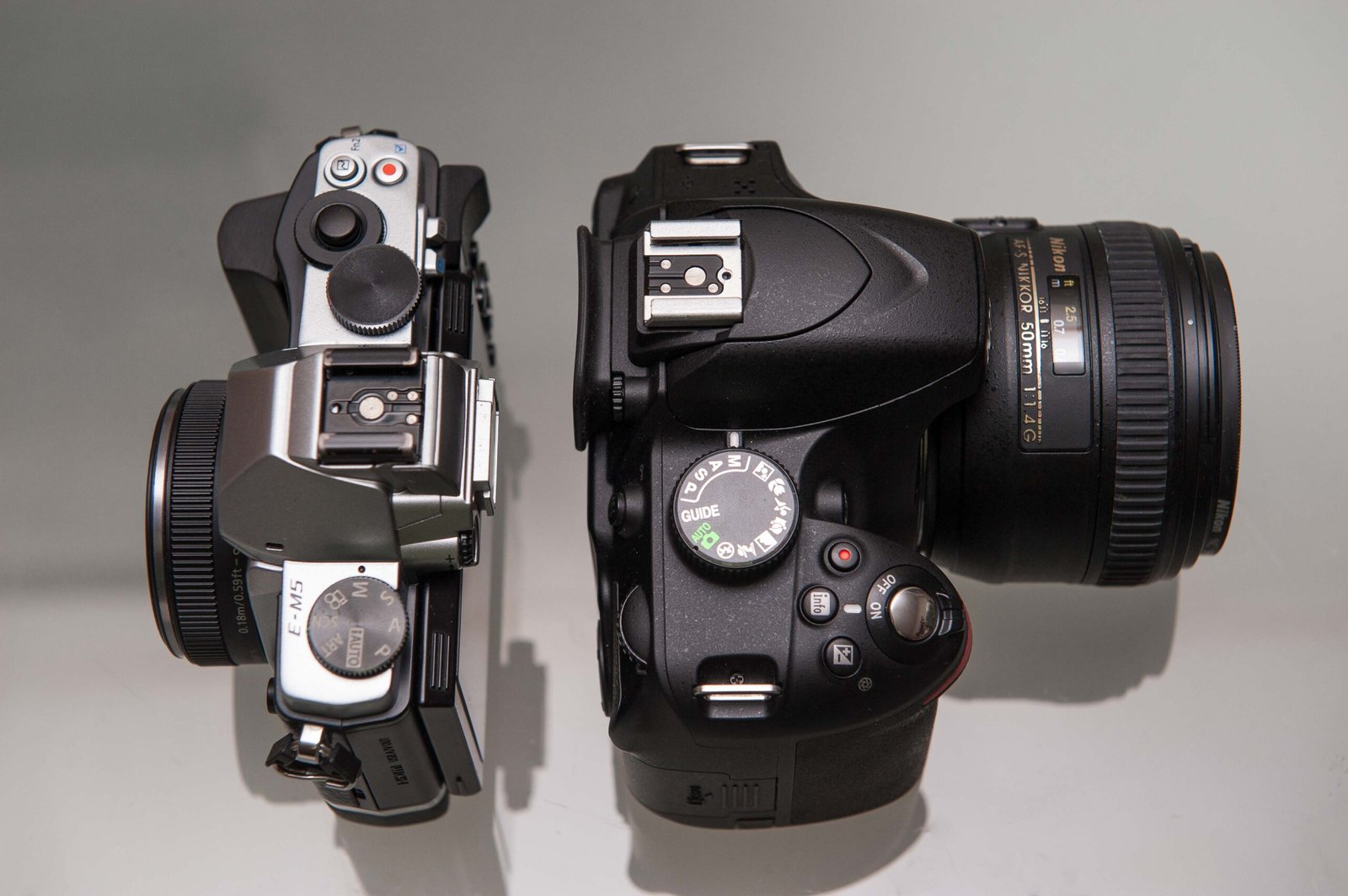
    difference in size between the OMD EM5 with a grip and Panasonic Pancake Lens vs the Nikon D3200 and Nikon AFS 50mm 1.4G
    Note the difference in size, the OMD EM5 with a grip and Panasonic Pancake Lens vs the Nikon D3200 and Nikon AFS 50mm 1.4G

    2. Pixel count, 16 in the EM5 vs 24 in the D3200

    Say all you want about high megapixels being terrible in light, but when you can shoot in good light, having more MP is rarely a bad thing. If not, why do people bother with high MP medium format? That extra 8 MP meant that extra bit of cropping allowance. Also, i do have the lenses which allow me to resolve that extra bit of detail. This brings me to my next point.

    100% crop from photo taken with D3200 with diffused strobes
    100% crop from photo taken with D3200 using 50mm at f4 with diffused strobes at ISO 100, note the amount of detail even at this level of magnification.

    3. Lenses, Nikon F Mount vs Olympus M4/3

    I was already a serious Nikon shooter for some time before I dived into M4/3. As it stands,  I own a small arsenal of FX lenses and quality primes for the F mount, compared to 2 small primes for the Olympus,  the Panasonic 14mm 2.5 and the 45mm 1.8.

    The AF on the OMD and the two primes are fast enough for most people, but nothing beats the feel of the lightning fast AF of the Nikon AF-S 24-70 f/2.8, even on the entry level D3200, and the images that pop out of the camera. However, I doubt if most people really need that extra burst of AF speed offered by the professional grade lens.

    Finally, take note of the tremendous price difference between just the 24-70mm ($1800 second hand) and the two primes($450 for both). *Take note this was back in 2014, in 2025, based on checks on Carousell, Singapore’s second hand market.

    Olympus OMD EM5, showing pricing in Singapore
    this set was sold at S$299 in 2021.
    Nikon D3200 with lens to show pricing in Singapore
    This D3200 set with lens is being sold at S$225 in Jul 2025

    Camera Recommendation

    Personally, in 2025, I’d recommend the lighter combination especially for people doing this as a hobby. Given a choice, most people will like prefer something small and lightweight despite the minor image quality compromises.

    PS. Prefer something bigger? I talk about the Nikon D700 vs the Canon 5D Mark II here.

  • Adapting Nikon Telephoto Lenses to Micro Four Thirds Cameras

    Adapting Nikon Telephoto Lenses to Micro Four Thirds Cameras

    Getting a longer reach using full frame lenses on Micro Four Thirds

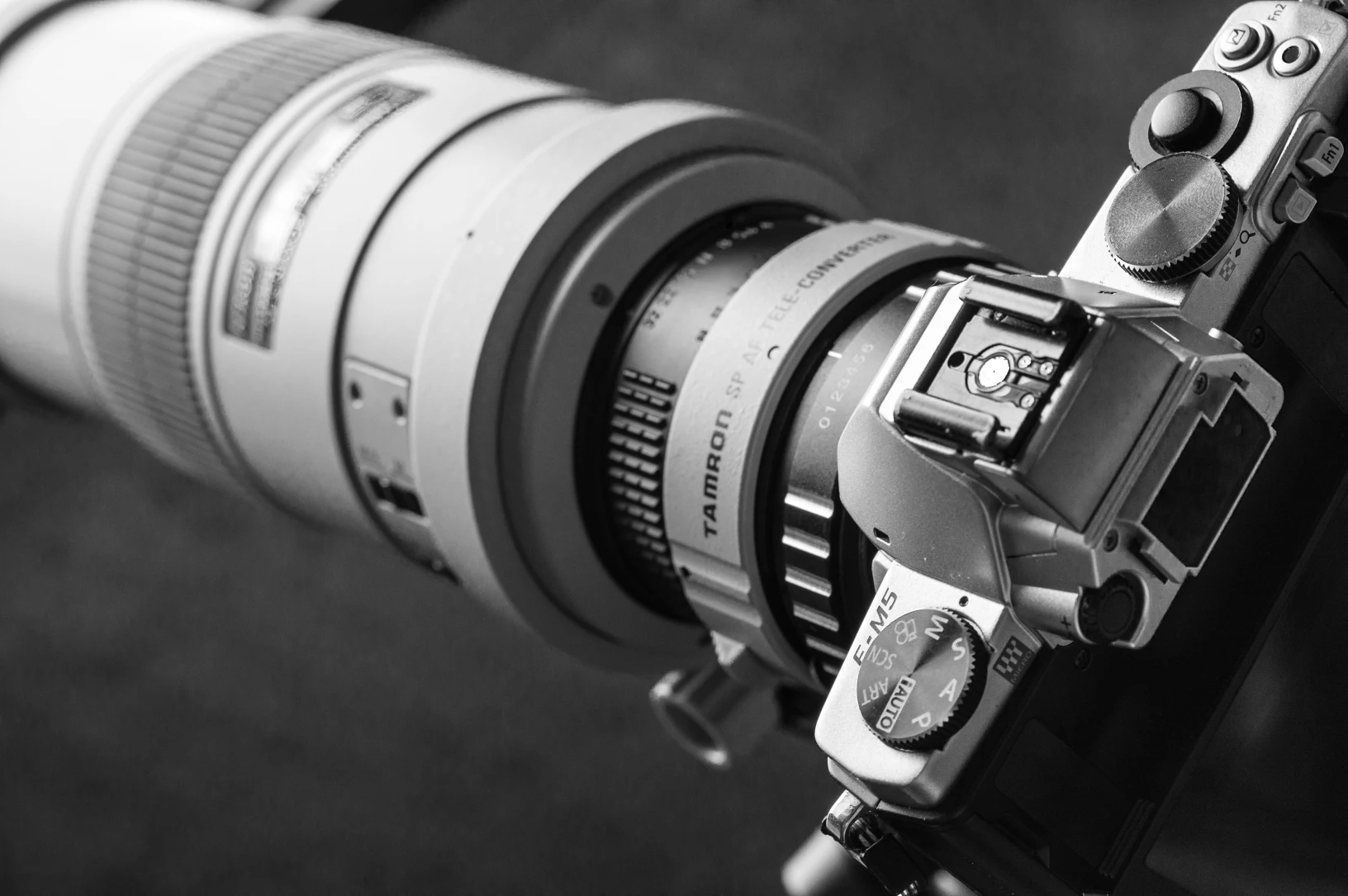
    An Micro Four Thirds adaptor costing just SGD$30 was used to mount the lens onto my Olympus OMD EM5. The full combination included the adaptor, a Tamron 1.4x Teleconverter and the Nikon AF-S 300mm f/4.

    This gave a set up that had an 840mm effective focal length, albeit with full manual operations, including focus and aperture adjustments.

    This effective focal length would no doubt be very appealing to bird photographers on a budget, also to those looking for long reach without the accompanying bulk and weight.

    Controlling the adapted full frame lens on the Micro Four Thirds camera

    Operating the set up required patience, lots of it. The adaptor allowed the control of aperture, with some clicking heard when adjustments are made.

    Focus is done manually, by activating the magnification feature of Olympus cameras using one of several customisable buttons found on the OMD.

    I personally use Fn1, but anybody can choose to customise the OMD operation using another Fn button.

    It must be noted that the focus is made harder due to the physical stopping down of the aperture blades, making for a darker viewfinder image. This is partially offset by the fact that the OMD has an EVF, allowing the artificial brightening of the image preview to some extent.

    Image quality is decent, I find that the lens performs better on native cameras like the D3 and even the D3200 with its high pixel density. This is only natural since lenses are generally optimised for their own system.

    The hassle of having to use this lens on a tripod in field conditions together with full manual operation may restrict its effectiveness for birding, which will no doubt be its primary application.

    During a birding trip to the Chinese Gardens in Singapore, I was able to get some shots of stationary birds like perching Kingfishers only.

    Jittery ones such as the Ashy Tailorbird proved impossible to capture using this setup. Some sample shots of my birding trip have been included for illustration purposes.

    Image Quality of the adapted telephoto prime on the Micro Four Thirds camera

    plaintain squirrel shot using Nikon AF-S 300mm f4 on m4/3
    Plaintain squirrel shot using Nikon AF-S 300mm f4 on m4/3

    This plantain squirrel seemed to be fetching straw for its shelter. It was rather still and gave me ample time to set up and take a few shots before it scampered off.

    water monitor lizard shot using Nikon AF-S 300mm f4 on m4/3
    Water monitor lizard shot using Nikon AF-S 300mm f4 on m4/3

    I managed to snap a Malayan Water Monitor Basking by the pondside. I could have done better justice to this particular scene with the magnificent backlighting, pardon my poor skills.

    common kingfisher shot using a nikon 300mm adapted to m4/3 camera

    Here is a common Kingfisher observing fish from its perch, which later dived into the water. The set up was too cumbersome to track the bird with as it flew off.

    There was no issues with image quality regarding sharpness for the lens adaptation. Another thing was that the IBIS of the Olympus EM5 helped with hand holding, though the long focal length and the need to manual focus meant that you will likely be using the entire set up using a tripod.

    Should you adapt a full frame telephoto lens onto a micro four thirds camera?

    Your mileage may vary with both your skill and luck. Some users may simply use the lens on a Nikon D7100 or the new D7200, with their built in 2x crop factor mode which allows the entire viewfinder to be covered with the 51 AF points, allowing for superb tracking ability.

    Nevertheless, one may find this combination suitable for their use, since a cheap adaptor can be had easily and the native x2 crop factor of the Micro Four Thirds system is useful for extending telephoto purposes.