Author: Chris Puan

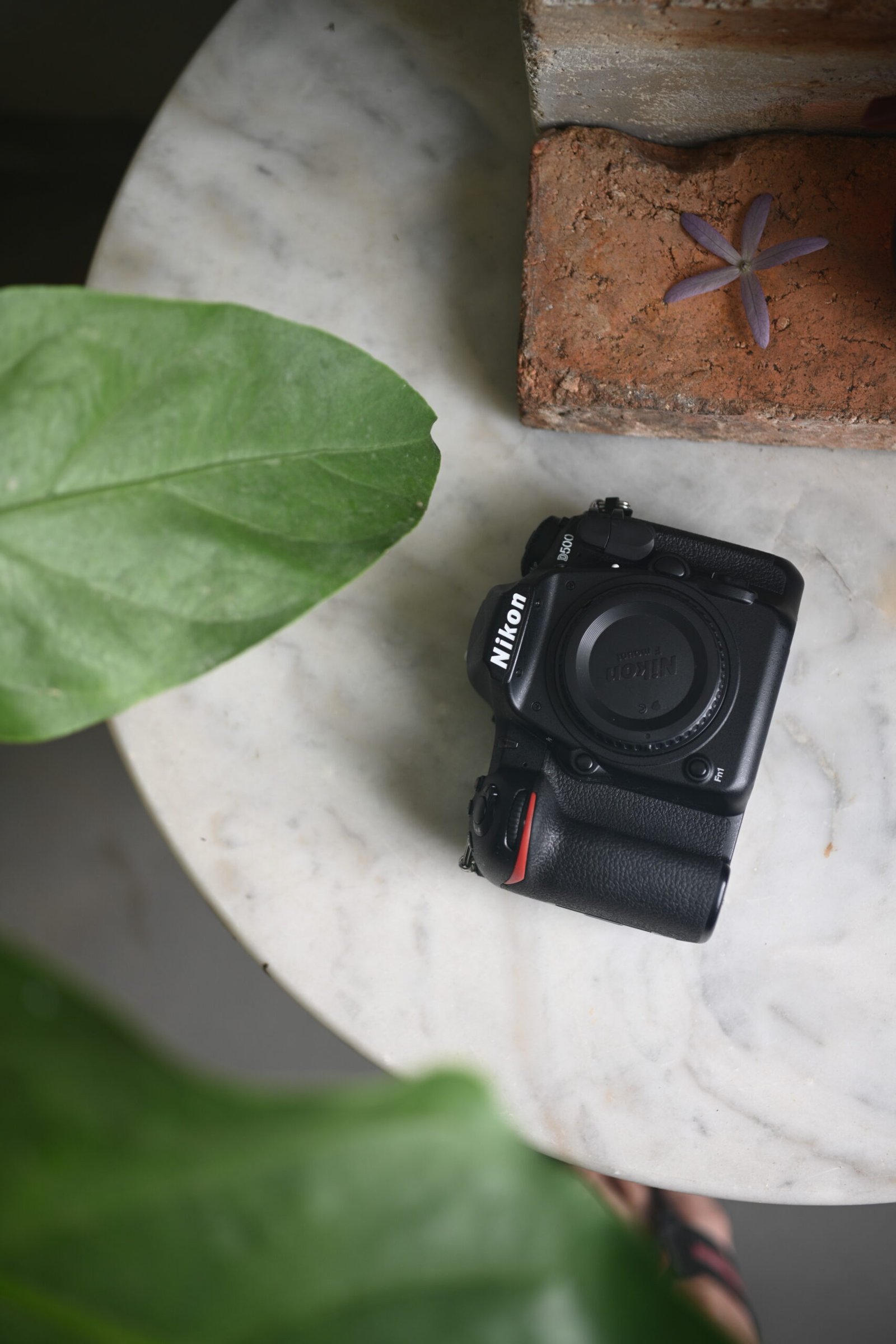
  • Nikon D500 Review: The Enduring DX-Format Powerhouse in 2026

    Nikon D500 Review: The Enduring DX-Format Powerhouse in 2026

    TLDR:

    The Nikon D500, despite being released in 2016, remains a highly capable and robust DX-format DSLR in 2026, especially for action, sports, and wildlife photography.

    Its exceptional autofocus system, rapid continuous shooting, and durable build quality make it a compelling option for enthusiasts and professionals seeking a high-performance crop-sensor camera, particularly on the used market.

    While newer mirrorless cameras offer advancements, the D500’s proven reliability and value proposition are hard to ignore.

    Introduction to the Nikon D500

    Nikon D500 with the AFS 300mm F/4D

    Mirrorless cameras are increasingly dominating headlines, so it’s easy to overlook the enduring legacy of DSLRs.

    Yet, some models refuse to fade into obsolescence, continuing to deliver exceptional performance and value years after their initial release. Example, the Nikon D500.

    Launched in 2016 (10 years old already!), this DX-format (APS-C) DSLR quickly earned a reputation as a professional-grade workhorse, inheriting many features from its full-frame sibling, the Nikon D5.

    Fast forward to 2026, and the question arises: does the Nikon D500 still hold its own in a market saturated with mirrorless cameras boasting “better technology”?

    This Nikon D500 review will go into its core strengths, assess its relevance in today’s photographic environment, and help you decide if this classic camera deserves a spot in your gear bag.

    Key Features and Specifications

    The Nikon D500 was a technological marvel upon its release, packing a formidable array of features into a compact DX-format body. Many of these specifications continue to impress even a decade later, much like how the Nikon D7000 Review highlights that camera’s long-term utility.

    Sensor and Image Quality

    At its heart, the D500 features a 20.9-megapixel DX-format CMOS sensor, paired with Nikon’s EXPEED 5 image processor. This combination delivers excellent image quality with rich colors and impressive detail.

    While crop sensor 20.9MP (shared with the Z50I, Z50II and the Zfc) might seem modest compared to some modern high-resolution sensors (I personally also use the full frame Nikon Z7II with the 45MP sensor), it strikes a balance between detail rendition and manageable file sizes. The native ISO range of 100-51200 (expandable to 50-1,640,000) is particularly noteworthy.

    The D500 handles noise well at higher ISOs, producing images with a pleasing, film-like grain rather than distracting color noise.

    ISO 100

    shot on D500 at ISO100

    ISO 800

    shot on D500 at ISO 800-900

    ISO1600

    Shot on D500 at ISO 1600
    Shot on D500 at ISO 1600
    Shot on D500 at ISO 2800
    Shot on D500 at ISO 2800

    ISO 3200

    shot on D500 at ISO 3200
    Shot at ISO 400 but exposure boosted by 3 stops (ISO3200 equivalent)
    Shot at ISO5000
    Shot at ISO 5000
    Shot at ISO 5600

    ISO 6400

    shot on D500 at ISO 6400
    Green Crested Lizard shot at ISO 6400

    Depending on the situation, you should have no issues using it from ISO 100-6400. When birding in dense forest with the 200-500mm f/5.6, I will push it to ISO 12800 with no worry.

    This is a significant step up from older models, as discussed in our Nikon D300 Review or the D60 review, where we explore the unique characteristics of older CMOS and CCD sensors.

    Autofocus System

    Nikon D500 shot of a Tiger Shrike preparing to fly off
    The AF from the D500 didn’t let me down.

    Perhaps the most celebrated feature of the D500 is its autofocus system, directly inherited from the flagship Nikon D5. It boasts a sophisticated 153-point AF system, with 99 cross-type sensors, covering a wide area of the frame.

    This system is renowned for its speed, accuracy, and tenacious tracking capabilities, making the D500 an absolute beast for capturing fast-moving subjects.

    Whether it’s birds in flight (or twitchy animals in general like above), athletes on the field, or children at play, the D500’s AF system rarely misses a beat . The dedicated AF-ON button and the joystick selector further enhance the user experience, allowing for quick and intuitive focus point selection.

    Speed and Buffer Performance

    Complementing its advanced AF system is the D500’s impressive shooting speed. It can fire off continuous shots at up to 10 frames per second (fps) with full AF/AE performance. What truly sets it apart, however, is its buffer depth. For those coming from entry-level bodies, as seen in our Nikon D5000 Review, the difference in performance is night and day.

    When paired with a fast XQD card, the D500 can capture up to 200 uncompressed 14-bit RAW images in a single burst, effectively offering an “endless buffer” for most practical purposes . This capability is crucial for sports and wildlife photographers who need to capture decisive moments without interruption.

    Video Capabilities

    While primarily a stills camera, the D500 was also a pioneer in offering 4K UHD video recording (3840 x 2160) at 30p, 25p, and 24p. This was a significant feature for a DX-format DSLR at the time of its release.

    Although it comes with a 1.5x crop factor in 4K mode, the video quality is excellent, making it a viable option for videographers who need a robust and reliable camera for capturing high-quality footage.

    Full HD (1080p) recording is available at up to 60p, offering more flexibility in frame rates and no additional crop.

    Ergonomics and Build Quality

    Nikon designed the D500 with professional use in mind, and its ergonomics reflect this.

    The camera features a deep grip that fits comfortably in hand, and its button layout is intuitive and well-placed, allowing for quick adjustments without taking your eye from the viewfinder.

    The grip is very comfortable, even with big lenses.

    Switching the mode requires the use of the dial on the top left of the DSLR. I prefer the more consumer grade type where you can see individual modes, but this is a personal preference.

    Many controls are customizable, including eight programmable buttons (the one most people might use, including myself, is the function button beside the mount), further enhancing its adaptability to individual shooting styles .

    Note the 2 function buttons between the mount and the grip

    The inclusion of a mini-joystick for AF point selection is a particularly welcome feature, making precise focus adjustments effortless. I personally use it when I can follow subject movements fast enough (not small animals, people usually during event coverage)

    The mini joystick is useful for adjusting AF points on the fly

    Constructed with a magnesium alloy body and extensive weather sealing, the D500 is built to withstand the rigors of professional use in challenging environments.

    Nikon D500 in 2026: Still a Contender?

    Despite the rapid advancements in mirrorless technology, the Nikon D500 continues to be a relevant and highly capable camera in 2026.

    Its strengths, particularly in autofocus performance and continuous shooting, remain competitive, especially when considering its current market value.

    Advantages of the D500 Today

    Image Courtesy of dojoklo from Flickr

    Exceptional Autofocus: The 153-point AF system is still one of the best in any APS-C camera, mirrorless or DSLR, offering unparalleled tracking for fast-moving subjects. 3D tracking is still incredible, especially on this DSLR.

    Robust Build Quality: Its durable, weather-sealed construction ensures reliability in harsh conditions, a feature often found only in higher-end professional bodies. This camera doubles as a weapon to smack people with during emergencies 😉

    Speed and Buffer: The 10 fps continuous shooting and deep buffer, especially with XQD cards, make it ideal for action photography. Unlike the Z mount cameras, DSLRs are instant on, meaning there is 0 lag between you switching the camera on and it shooting. Those using Z cameras might have noticed a half second lag between activating the camera and shooting.

    DX Crop Factor for Reach: For wildlife and sports photographers, the 1.5x crop factor effectively extends the reach of telephoto lenses. While some might prefer the depth of a full-frame sensor, as detailed in our Nikon D750 long term review, the D500’s reach is a distinct advantage for wildlife photography.

    cost of the Nikon D500 in 2026 in Singapore
    Used market check in Jan 2026, beater units with lens under $1000, better condition units around $1000

    Value Proposition: On the used market in Singapore, the D500 offers incredible performance for its price (especially if you can get one with a lens for under $1000!), making it an attractive option for photographers on a budget who still demand professional-level capabilities.

    Disadvantages and Considerations

    However, it’s also important to acknowledge where the D500 shows its age compared to modern mirrorless cameras:

    No In-Body Image Stabilization (IBIS): Unlike many contemporary mirrorless cameras, the D500 lacks IBIS, relying solely on lens-based vibration reduction. This can be a drawback for handheld shooting in low light or with non-VR lenses.

    Poor Live View Autofocus: While its viewfinder AF is stellar, Live View autofocus, though improved with touch functionality, is not as fast or sophisticated as the hybrid AF systems found in modern mirrorless cameras.

    Size and Weight: As a DSLR, it is inherently larger and heavier than most mirrorless counterparts. If you’re weighing the pros and cons of mirrorless, our Nikon Z30 vs Z50 APS-C Camera Comparison provides excellent context on the current mirrorless landscape.

    •Electronic Viewfinder (EVF) vs. Optical Viewfinder (OVF): The D500 features a bright optical viewfinder, which many photographers prefer for its direct, lag-free view. However, it lacks the real-time exposure preview and advanced overlay information offered by EVFs.

    Future-Proofing: As Nikon continues to focus on its Z-mount mirrorless system, the F-mount DSLR ecosystem is no longer receiving new lens development. While there’s a vast array of F-mount lenses available, this is a consideration for long-term investment.

    Who is the Nikon D500 For in 2026?

    The Nikon D500 remains an excellent choice for several types of photographers:

    •Wildlife and Sports Photographers: Its unparalleled AF system, rapid fire rate, and DX crop factor make it a formidable tool for capturing fast-moving subjects from a distance.

    •Action and Event Photographers: The speed and reliability of the D500 are perfect for demanding event coverage where missed shots are not an option.

    •Existing Nikon DSLR Users: Those with an investment in F-mount lenses, especially AF-D lenses, can seamlessly integrate the D500 into their existing kit because of the screw drive AF function. There is no need to switch lenses.

    •Budget-Conscious Professionals and Enthusiasts: For photographers seeking professional-grade performance without the premium price tag of new mirrorless systems, a used D500 offers exceptional value.

    Conclusion

    The Nikon D500, even in 2026, stands as a testament to Nikon’s engineering prowess. It’s a camera that was ahead of its time in many respects, and its core performance attributes—particularly its autofocus system, speed, and robust build—continue to deliver professional-grade results.

    While the mirrorless revolution has brought undeniable advancements, the D500 offers a compelling alternative, especially for photographers who prioritize optical viewfinders, exceptional handling, and incredible value on the used market.

    For action, sports, and wildlife photographers, the D500 remains a highly recommended DX-format powerhouse, proving that sometimes, the classics truly are timeless.

    For reviews on older models for fun, check out these links:

    Cameras:

    Nikon D750

    Nikon D300s

    Nikon D200

    Nikon D100

    Nikon D7000

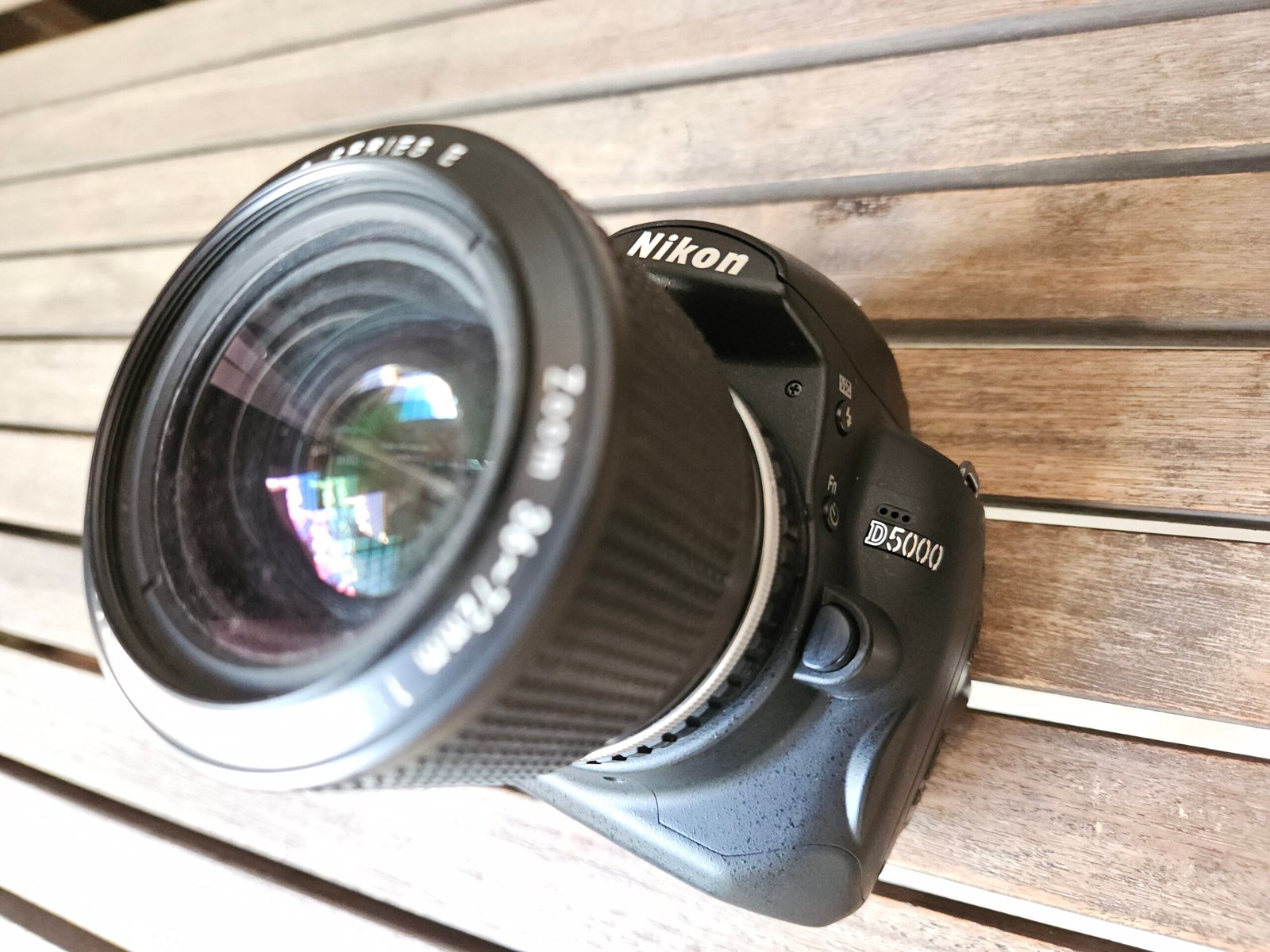
    Nikon D5000

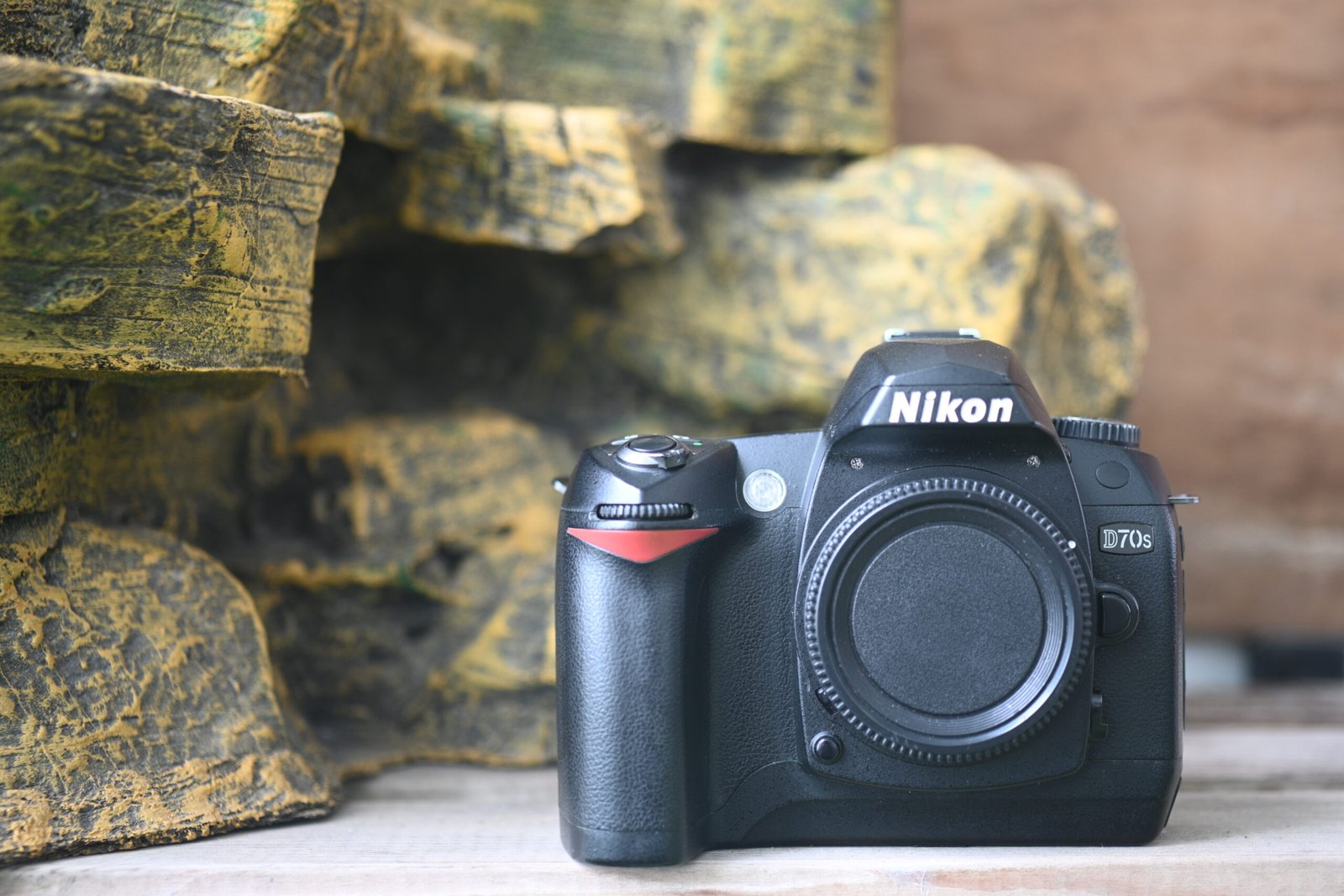
    Nikon D70s

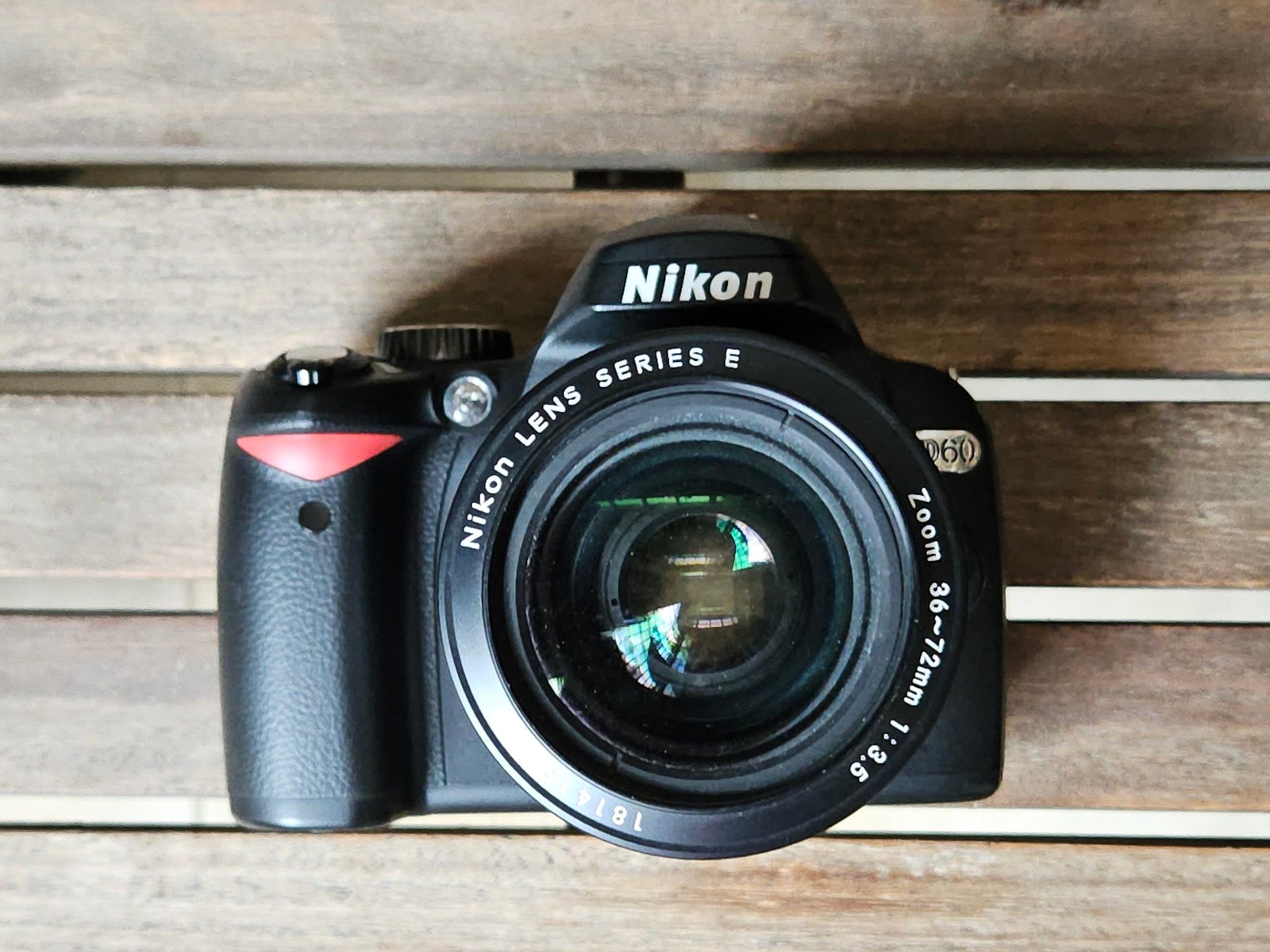
    Nikon D60

    Nikon D40

    Check out this article on where to buy used cameras.

  • The Mirrorless Dilemma: Best Nikon D500 Alternatives in 2026

    If you’ve read my full Nikon D500 Review, you know I consider it the “King of APS-C DSLRs.” Even in 2026, its autofocus is legendary, its build is tank-like, and its ergonomics are arguably the best Nikon has ever produced.

    But let’s face it: the world has moved on to mirrorless. Nikon has officially stopped developing new DSLRs, and the “Z-mount” is where all the innovation is happening. If you’re a D500 shooter, you’re likely feeling the itch to upgrade, or at least the fear of being left behind.

    The problem? For years, there was no “true” mirrorless successor to the D500. We wanted a pro-grade APS-C body with a stacked sensor and 20fps, and for a long time, Nikon gave us… silence.

    However, in 2026 and beyond, the landscape has changed. Whether you want to stay with Nikon or are considering a “jump” to another system, here are the best mirrorless alternatives for the D500 user.

    1. The “Official” Successor: Nikon Z50 II

    For a long time, the original Z50 felt like a toy compared to the D500. But the Nikon Z50 II, released in late 2024, has finally brought some “D500 DNA” to the compact APS-C line.

    Why it’s a D500 Alternative:

    The Z50 II inherits the Expeed 7 processor from the flagship Z9 and Z8. This means it gets the same incredible subject detection (birds, animals, vehicles) that the D500 lacks. In many “Birds in Flight” (BIF) scenarios, the Z50 II’s eye-tracking actually makes it easier to get a sharp shot than the D500’s 153-point system.

    The Trade-offs:

    •Ergonomics: It’s much smaller. If you have large hands or love the D500’s dedicated buttons (like the ISO button near the shutter), the Z50 II will feel cramped.

    •Build: It’s not weather-sealed to the same degree as the D500.

    •Battery: It uses the smaller EN-EL25 battery, so you’ll need to carry spares for a full day of shooting at Sungei Buloh.

    2. The “Real” Upgrade: Nikon Z8

    If you have the budget and want a camera that actually outperforms the D500 in every single category, the Nikon Z8 is the answer. While it’s a full-frame (FX) camera, it is the spiritual successor to the D500.

    Why it’s the D500’s True Heir:

    •The “Reach” Factor: The Z8 has a 45.7MP sensor. When you switch it into “DX Crop Mode,” you still get a 19.4MP image, almost identical to the D500’s 20.9MP. This means you don’t lose that “telephoto reach” you love for wildlife.

    •Speed: 20fps in RAW and up to 120fps in JPEG. It makes the D500’s 10fps feel like slow motion.

    •Autofocus: The Z8’s 3D tracking combined with AI subject detection is a generational leap over the D500. It sticks to a bird’s eye like glue.

    The Catch:

    It’s expensive. Even in the used market at Peninsula Plaza or on Carousell, a Z8 will cost you much more than a used D500.

    But if you want the best, this is it.

    *Also, check out our article on where to get used cameras.

    3. The “Hybrid” Choice: Nikon Z6 III

    The Nikon Z6 III is the “Goldilocks” camera of 2025. It’s a full-frame camera with a “partially stacked” sensor that offers incredible speed for a mid-range price.

    Why D500 Users Love It:

    •EVF Performance: The Z6 III has one of the brightest and smoothest viewfinders on the market, which is important for DSLR users who hate “EVF lag.”

    Low Light: Being full-frame, it outshines the D500 in high-ISO performance. If you shoot sports in dimly lit school gyms, the Z6 III is a revelation.

    Video: If you’ve started doing more video, the Z6 III is a professional cinema tool compared to the D500’s basic 4K.

    The DX Limitation:

    In DX crop mode, the Z6 III only gives you about 10MP. If you rely on that “crop factor” for your 200-500mm lens, the Z6 III might feel like it lacks “reach” compared to your D500.

    4. The “Dark Horse” Alternatives: Canon R7 & Sony A6700

    If you’re not married to your Nikon lenses (or are willing to sell them), the competition has some very compelling APS-C options.

    Canon EOS R7:

    The R7 is arguably the closest thing to a “Mirrorless D500” in terms of specs. It has a 32.5MP APS-C sensor, incredible IBIS (In-Body Image Stabilization), and 15fps mechanical / 30fps electronic shutter.

    •My Take: The R7 is a beast for wildlife, whether you get the R7 or anything else is really dependent on your current lens collection and or your personal preference for camera feel in hand.

    Sony A6700:

    Sony’s flagship APS-C body uses the same AI-processing unit as their $6,000 A9 III. Its autofocus is arguably the best in the world for tracking erratic subjects.

    •The Catch: The ergonomics are very different. It’s a “rangefinder” style body with no front command dial, which can be a frustrating transition for a D500 user who loves tactile control.

    5. Comparison Table: D500 vs. The Contenders

    FeatureNikon D500Nikon Z50 IINikon Z8Canon R7Sony A6700
    Sensor20.9MP APS-C20.9MP APS-C45.7MP Full Frame32.5MP APS-C26MP APS-C
    Max FPS10 fps30 fps (Elec)20 fps (RAW)30 fps (Elec)11 fps
    AF System153-Point PhaseAI Subject DetectAI Subject DetectDual Pixel AF IIAI Subject Detect
    Card Slots1x XQD, 1x SD1x SD1x CFexpress, 1x SD2x SD1x SD
    Weight860g450g910g612g493g
    Best ForPure ActionBudget WildlifePro Action/WildlifeHigh-Res WildlifeTech-Heavy AF

    6. The “FTZ” Factor: Can You Keep Your Lenses?

    The biggest fear for D500 users is their lens collection. If you have the Nikon 200-500mm f/5.6 or the 300mm f/4 PF, I have good news: They work perfectly on Z-mount via the FTZ II adapter.

    In fact, many users find that their F-mount lenses actually focus more accurately on mirrorless because there is no “back-focus” or “front-focus” issue with on-sensor AF. You don’t need to sell your glass to move to mirrorless.

    7. Final Verdict: Should You Switch?

    If your Nikon D500 is still working and you’re getting the shots you want, don’t feel pressured to switch. The D500 is still a damn good tool.

    However, if you find yourself missing shots because the AF didn’t lock onto a bird’s eye, or if you’re tired of the weight (maybe I’m being lazy here, but I start to feel the weight after a few hours), here is my recommendation:

    •Upgrade to the Z8 if you want a “no-compromise” professional tool that will last you the next 10 years.

    •Look at the Z50 II if you want a lightweight, modern travel and wildlife companion on a budget.

    •Consider the Z6 III if you want to move to full-frame and prioritize low-light performance and video.

    The “King” may be retired, but the new generation of mirrorless cameras is finally ready to take the throne.

  • Nikon D40 Review: The 6-Megapixel Wonder in 2026 and Beyond

    Nikon D40 Review: The 6-Megapixel Wonder in 2026 and Beyond

    If you told a “serious” photographer in 2006 that people would still be hunting for the Nikon D40 in 2025, they would have laughed you out of the studio. At the time, the D40 was Nikon’s most “crippled” DSLR, it only had 6.1 megapixels, just three autofocus points, and no internal focus motor. It was the definition of an entry-level camera.

    Fast forward nearly two decades, and the Nikon D40 has achieved a cult-like status. While modern mirrorless cameras are fighting a war over eye-tracking AF and 8K video, a growing community of photographers is returning to this humble plastic DSLR.

    Why? Because the Nikon D40 has a “soul” that modern cameras often lack. After spending a month revisiting one of the earliest entry level cameras, I’ve realized that its limitations are actually its greatest strengths.

    Nikon D40 Specs

    Nikon D40 –> Key Specifications

    Release dateDecember 2006
    Sensor typeAPS-C CCD (DX format)
    Sensor size23.7 × 15.5 mm
    Effective megapixels6.1 MP (3,008 × 2,000 px)
    ISO rangeISO 200–1600, expandable to ISO 3200 (Hi-1)
    Autofocus points3-point TTL phase-detection AF
    Autofocus noteNo in-body AF motor — requires AF-S / AF-I lenses for autofocus
    Shutter speed range30s to 1/4000s + Bulb
    Flash sync speed1/500s — fastest among entry-level DSLRs of its era
    Built-in flashYes (pop-up, GN12 at ISO 100)
    Continuous shooting2.5 fps
    Body weight475g (without battery) / 522g (with battery + card)
    Dimensions124 × 94 × 64 mm
    ViewfinderOptical pentamirror, ~0.75× magnification
    LCD screen2.5-inch, 230,000 dots, fixed
    StorageSD / SDHC card
    File formatsJPEG + NEF (12-bit RAW)
    Video recordingNo video capability
    Lens mountNikon F-mount
    SuccessorNikon D3000

    The 6.1MP CCD Sensor: Why Less is More

    The heart of the Nikon D40 is its 6.1-megapixel CCD sensor. In an era where even budget smartphones boast 50MP, 6.1MP sounds like a joke. But here’s the secret: those 6 million pixels are huge.

    straight out of camera jpeg from the Nikon D40
    SOOC Jpeg, no edits done.

    The “CCD Magic”

    Most modern cameras use CMOS sensors. They are faster and better at high ISO, but many enthusiasts argue they look “clinical.” The D40’s CCD sensor produces colors that feel more like film. There’s a richness to the skin tones and a specific way it handles blues and greens that just feels right.

    straight out of camera jpeg from the Nikon D40
    SOOC Jpeg, no edits done.

    When I took the D40 out for a walk around my neighbourhood, the images had a punchy, organic quality. At base ISO 200, the files are remarkably clean. And because the resolution is low, the files are tiny. You can edit them on a 10-year-old laptop without a hitch, and they still look fantastic on a 4K monitor or Instagram.

    straight out of camera jpeg from the Nikon D40
    SOOC Jpeg, no edits done.

    ISO Performance: Know Your Limits

    The D40 is not a low-light beast. Don’t expect much from a 20 year old DSLR. Still, as you can see from the shots below, much of the usual daytime range of ISOs between 200-1600 are still very much useable.

    straight out of camera jpeg from the Nikon D40
    SOOC Jpeg, no edits done. ISO 200
    SOOC Jpeg, no edits done. ISO 200
    Shot at ISO 400
    Shot at ISO 400

    •ISO 200-400: No issues whatsoever.

    ISO500

    •ISO 500-800: Usable, with a nice film-like grain.

    ISO 1100

    Between 800-1500: Useable shot depending on personal preference, noise is visible.

    ISO 1400
    ISO 1600
    ISO 1600

    •ISO 1600 (and HI-1): Things get messy with more noise and loss of detail.

    If you’re shooting in 2025, treat the D40 like you’re shooting ISO 400 film. I personally would use it to 1600, especially shot at RAW and with modern denoising software. Otherwise, if the sun goes down, reach for a flash or a tripod.

    The Secret Weapon: 1/500s Flash Sync

    Here is something that even the $6,000 Nikon Z9 can’t do natively: sync with a flash at 1/500th of a second.

    Because the D40 uses a hybrid electronic/mechanical shutter, it can sync with external flashes at incredibly high speeds. For strobists and portrait photographers, this is a game-changer. It allows you to overpower the afternoon sun with a small, cheap speedlight without needing expensive High-Speed Sync (HSS) gear.

    I paired the D40 with a cheap manual trigger from YongNuo and an old Yongnuo 560 Mark IV flash. The ability to kill the ambient light at 1/500s while keeping the aperture wide open at f/1.8 is lovely. This feature alone makes the D40 worth the SG80-100 it costs on the used market.

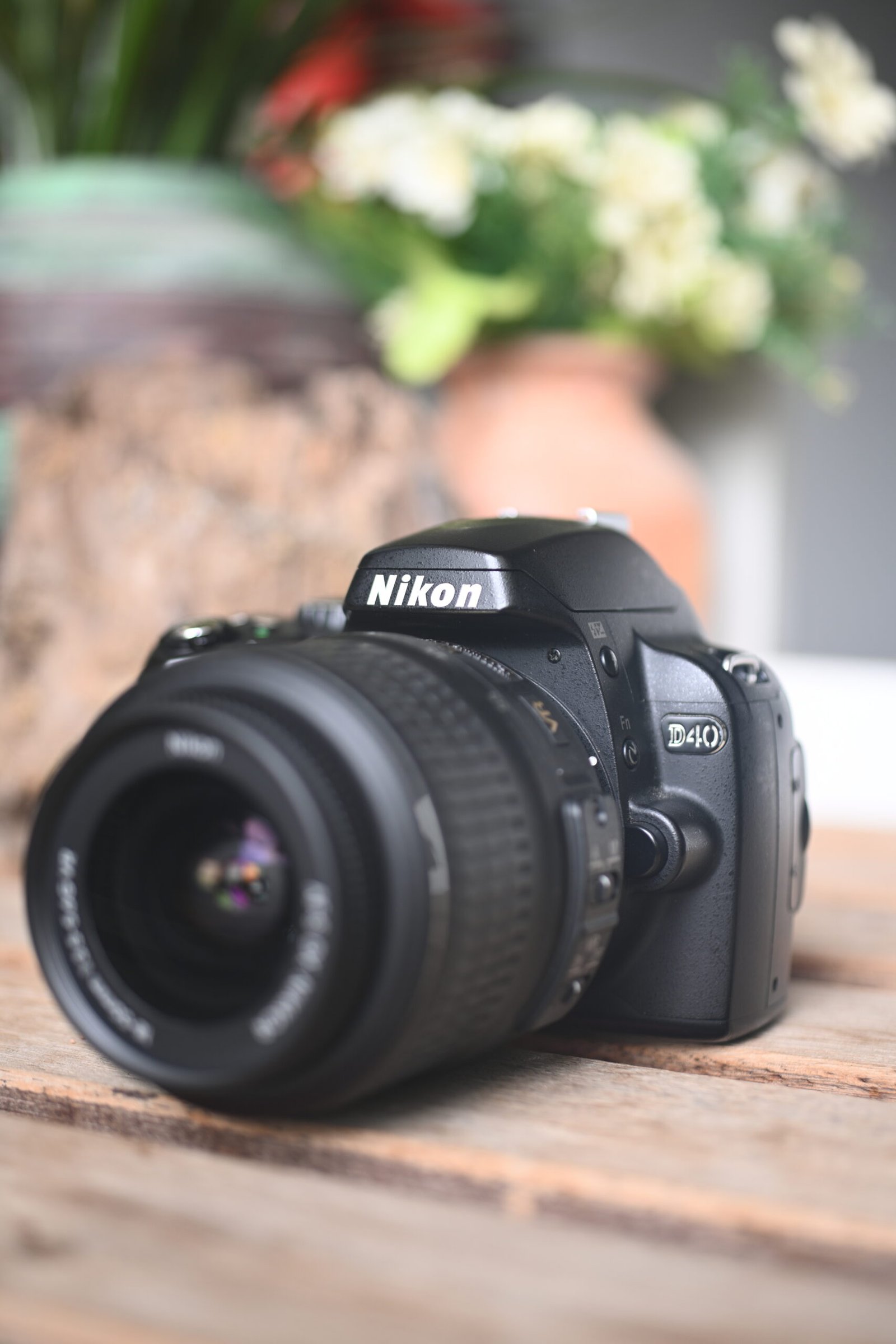
    nikon d40 with flash open

    The pop up flash works in a pinch, especially for night shots when you can’t really use high ISO. You can also use it for simple external flash triggering.

    How the Nikon D40 handles: Perspectives from 2026

    nikon d40 top plate

    The D40 was Nikon’s smallest DSLR for a long time, and it still feels great today. It’s light enough to be a “carry everywhere” camera. The grip is surprisingly deep for its size, and the button layout is refreshingly simple.

    There are no complicated menus to get lost in. You have a dial for your modes, a few buttons for the essentials, and that’s it. It forces you to focus on the three pillars of photography: Aperture, Shutter Speed, and ISO.

    The Viewfinder

    nikon d40 back plate, showing lcd screen

    It’s an optical viewfinder (OVF). It’s small and a bit “tunnel-like” compared to a D700, but it’s bright and lag-free. There’s something deeply satisfying about seeing the world through actual glass rather than a tiny television screen (EVF).

    The LCD screen is ok for checking shots, and images for review come up in a reasonable time on a faster card (even the simple class 10 SD cards will do).

    nikon d40 back buttons

    Given this is really a simple point and shoot DSLR, the controls are also simple.

    nikon d40 sd card slot closed

    There is only 1 card slot for an SD card. Gets the job done for an entry level DSLR. Even the Nikon Z50 has only one slot anyway.

    The “Crippled” Lens Mount: A Blessing in Disguise?

    The D40 famously lacked an internal focus motor. This meant it wouldn’t autofocus with older AF and AF-D lenses. In 2006, this was a huge deal. In 2025, it’s irrelevant.

    Nikon has since released dozens of incredible AF-S and AF-P lenses that work perfectly on the D40. The 35mm f/1.8G DX is the perfect partner for this camera, it’s sharp, cheap, and balances beautifully.

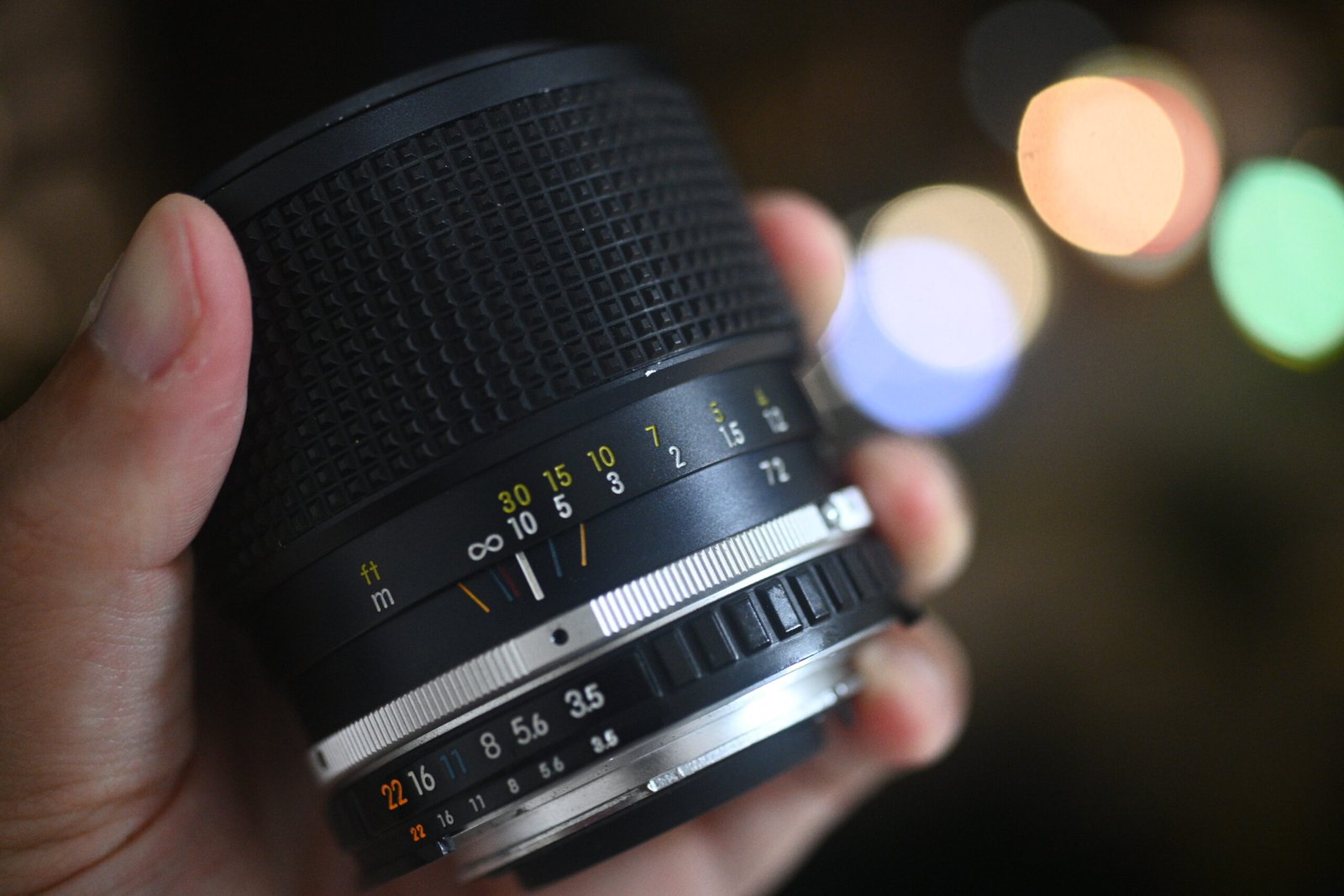
    nikon series e 36-72 to scale held in hand
    Nikon Series E 36-72mm f/3.5 lens.

    Pro Tip: If you want to really lean into the “vintage” feel, mount an old manual focus AI-S lens such as the Nikon Series E 36-72mm. The D40 won’t meter with them (you’ll have to use the “sunny 16” rule or guess and check the LCD), but it’s a fantastic way to learn the craft.

    Best Lenses for the Nikon D40

    Any of the 18-55mm kit lenses – small, compact, cheap and sharp enough.

    If you can find it, the older 18-70mm kit lens.

    Small manual lenses if you don’t mind or like manual focus

    Nikon 35mm f/1.8G DX – small, cheap and sharp. Being a prime lens, gives you bokeh when the background is far enough.

    Nikon 50mm f1.8G – small, cheap and sharp. Being a prime lens, gives you bokeh when the background is far enough. One issue compared to the 35mm is that it might be a little too “zoomed in” when you shoot landscape, but you can learn photo composition with this limitation.

    Price of the Nikon D40 in 2026

    If you are in Singapore, you will likely get the camera from Carousell. A quick check from Carousell shows most listings selling the body and a kit lens for about $100-$145.IMO, anything more is a ripoff since it’s really quite an old camera. Also, be careful of the LCD screening failing (if you start to see dark edges around the screen).

    Surprisingly, we can also find it pre-owned on Shopee, an Amazon competitor (for readers not based in Southeast Asia). Again, if it comes with a lens, then the pricing of around $150 is fair, but any more can be considered a mark up.

    Check out this article on where you can get used gear in Singapore.

    Nikon D40 –> Frequently Asked Questions

    Does the Nikon D40 shoot video?

    No, the Nikon D40 does not shoot video. It is a stills-only camera with no video recording capability. Released in 2006, video on DSLRs was not yet a feature, Nikon’s first video-capable DSLR was the D90, launched in 2008. If you need video, consider the Nikon D5000 or any model released from 2008 onwards. For a modern used option with video, the Nikon Z30 is worth considering.

    How many megapixels does the Nikon D40 have?

    The Nikon D40 has 6.1 effective megapixels, produced by an APS-C CCD sensor at a maximum resolution of 3,008 × 2,000 pixels. In 2026, that sounds low, but each pixel is large relative to the sensor size, which is why the D40 produces clean, film-like images at ISO 200–400. For Instagram, web use, and prints up to around 12 × 8 inches at high quality, 6.1 MP is entirely sufficient.

    What is the Nikon D40 sensor size?

    The Nikon D40 uses an APS-C CCD sensor measuring 23.7 × 15.5 mm, also known as Nikon DX format, with a 1.5× crop factor. The sensor type is CCD (not CMOS like most modern cameras), which is responsible for the camera’s distinctive colour rendering, often described as warmer and more film-like than contemporary CMOS sensors.

    Is the Nikon D40 still a good camera in 2026?

    Yes, for the right use cases, the Nikon D40 is still a genuinely good camera in 2026. It excels as a learning camera for beginners wanting to shoot manual, as a lightweight street camera, and as a CCD “film-look” body. Its 1/500s flash sync speed is still faster than most cameras sold today. It is not a good choice if you need video, reliable high-ISO above 800, or heavy cropping. In Singapore, a body with kit lens typically runs SG$80–150 on Carousell, making it one of the most affordable ways into DSLR photography in 2026.

    What is the Nikon D40 flash sync speed?

    The Nikon D40 syncs with flash at 1/500s, faster than most DSLRs and mirrorless cameras released since, including current full-frame bodies which typically max at 1/200–1/250s. This allows the D40 to overpower bright ambient light with a small speedlight without needing High-Speed Sync (HSS) gear. For outdoor portrait and strobist photographers, this remains one of the most compelling reasons to use a D40 in 2026.

    What lenses work with the Nikon D40?

    The Nikon D40 autofocuses only with AF-S and AF-I lenses since it has no internal AF motor. Older screw-drive AF and AF-D lenses work in manual focus only. Best options in 2026: the Nikon 35mm f/1.8G DX (sharp, compact, ideal on DX), the Nikon 50mm f/1.8G (portraits), and the 18-55mm AF-S kit lens. Third-party AF-S lenses from Sigma and Tamron also work normally.

    Nikon D40 in 2025: Is it Still Relevant?

    Is a 6MP camera from 2006 still a good buy?

    Absolutely, if:

    •You are a student on a budget: It is the ultimate “learning” camera. It won’t do the work for you; you have to learn how light works.

    •You are a “CCD Hunter”: You want that specific color science without paying Leica prices.

    •You are a Strobist: You want that 1/500s sync speed for outdoor portraits.

    •You are on a budget: You can often find these for the price of a fancy dinner (SG$50-100).

    Skip it if:

    •You need to crop heavily.

    •You need to shoot video (it doesn’t have any).

    •You need to shoot in near-darkness without a flash.

    Conclusion

    The Nikon D40 is a reminder that photography isn’t about specs; it’s about the image. In 2025, it stands as a “modern classic.” It’s a camera that gets out of your way and lets you enjoy the process of making pictures.

    If you see one sitting in a second-hand shop or on Carousell for a low price, buy it. Even if you own a Z8 or a Sony A7R V, the D40 will give you a different perspective on your photography. It’s a 6-megapixel wonder that still has plenty of magic left.

    Check out the older brother D70s. I also talk about its successor, the Nikon D60, the Nikon D5000 and the more advanced Nikon D7000.

    Check out the Nikkor Q.C 200mm f/4 for another vintage lens you can use with the D40.

  • Where to Buy Used Cameras in Singapore

    Where to Buy Used Cameras in Singapore

    If you’re a photography enthusiast in Singapore, you know that the “poison” is real. One day you’re happy with your kit lens, and the next, you’re scouring the internet for a legendary CCD sensor or a fast prime. But let’s be honest: buying brand-new gear in Singapore can be incredibly expensive.

    The good news? Singapore has one of the most vibrant used camera markets in the world. Whether you’re looking for a “beater” DSLR to learn the ropes, a vintage film camera for that nostalgic look, or a high-end mirrorless body at a fraction of the retail price, there’s a bargain waiting for you.

    In this guide, I’m going to share my personal “lobangs” (tips) on where to buy used cameras in Singapore, from the iconic shops at Peninsula Plaza to the digital wild west of Carousell.

    1. The Holy Grail: Peninsula Plaza & Peninsula Shopping Centre

    peninsula shopping complex exterior in city hall area for used camera gear in singapore
    Peninsula Shopping Complex Exterior (courtesy of Google Maps)

    If you only have time to visit one place, make it the Peninsula area (near City Hall MRT). This is the heart and soul of Singapore’s photography community. There are two main buildings here: Peninsula Plaza and Peninsula Shopping Centre. They are just beside Funan Lifestyle Mall and accessible via the underpass from City Hall MRT

    The Camera Workshop (Peninsula Shopping Centre)

    This is arguably the most famous used camera shop in Singapore. They have a massive inventory that ranges from modern Sony mirrorless bodies to rare Leica collectibles.

    •Why I love it: The staff are incredibly knowledgeable and the gear is well-maintained. They often provide a short in-house warranty (usually 1-3 months), which is a huge safety net for used gear.

    •Pro Tip: It can get very crowded on weekends. Go on a weekday afternoon if you want to take your time testing lenses.

    Alex Photo (Peninsula Plaza)

    Located just across the street, Alex Photo is another staple. They have a great mix of digital and film gear. It’s the kind of place where you can find a Nikon D700 sitting next to a Hasselblad.

    •Why I love it: Their prices are very competitive, and they are usually open to a bit of friendly negotiation if you’re buying multiple items.

    Other Notable Mentions in the Area:

    •P&G Photographic Centre: Great for professional-grade used gear and repairs.

    •Ben Photo: A smaller shop but often has unique vintage finds.

    •Black Market Camera: Don’t let the name scare you; they are a reputable dealer with a huge online presence and a physical store in Peninsula Shopping Centre.

    Image Suggestion: A wide-angle shot of the Peninsula Shopping Centre facade or a “POV” shot walking through the aisles of a camera shop filled with glass display cases of vintage lenses.

    2. The Digital Wild West: Carousell & Facebook Marketplace

    In 2025, the majority of used camera transactions in Singapore happen on Carousell. It’s where you’ll find the absolute lowest prices, but it also comes with the highest risk.

    Carousell: The Bargain Hunter’s Paradise

    carousell, where used cameras in Singapore can be bought

    You can find everything here, from a SG$20 Nikon D40 to a SG$5,000+ Sony A1.

    •The Strategy: Use the “Saved Search” feature for specific models you’re hunting for. Set alerts so you can be the first to message a seller when a “steal” appears.

    •The Risk: There is no warranty, and you’re buying from individuals. Scams are rare if you’re careful, but they do happen.

    PS. There can be some folks here who are not real buyers or sellers, take care when dealing online.

    Facebook Marketplace & Groups

    facebook marketplace for used cameras in Singapore

    Facebook Marketplace Singapore can be good. But be careful if you see a deal that’s too good to be true, there a many scammers in Facebook Marketplace in Singapore. NEVER pay online before dealing.

    Again, don’t expect warranty so do check before buying.

    3. Clubsnap (old but gold camera community)

    Before Carousell existed, there was ClubSNAP. It was Singapore’s largest photography community, and its “Personal Classifieds” section is still very active in 2025.

    •Why I love it: The users here are mostly serious photographers. You’re less likely to deal with “lowballers” or scammers compared to general marketplaces. Sellers often provide detailed descriptions of the gear’s history and condition.

    •The “WTS/WTB” System: Listings are tagged as WTS (Want to Sell), WTB (Want to Buy), or WTT (Want to Trade). It’s highly organized by brand (Canon, Nikon, Sony, etc.).

    •Pro Tip: You need to register an account to see some details or post. It’s worth it for the peace of mind when buying high-end gear.

    4. The Hidden Gem: The Adelphi

    adelphi shopping centre in singapore, exterior

    Just a stone’s throw from Peninsula is The Adelphi. It’s mostly known for high-end audio gear, but there are a few camera shops here that cater to the serious collector.

    Prime Camera Centre

    Prime camera centre, where used cameras and gear are sold
    Image from Google Maps

    This shop is a treasure trove for high-end and collectible gear. If you’re looking for a mint-condition Leica or a rare Zeiss lens, this is the place.

    •Why I love it: The environment is quiet and professional. It’s the opposite of the frantic energy of Carousell.

    5. How to Inspect a Used Camera in Singapore

    Buying used is only a bargain if the gear actually works. Here is my 5-step inspection checklist for any camera deal meet-up in Singapore:

    Step 1: The “Fungus” Check

    Singapore’s humidity is the #1 enemy of cameras. Shine a flashlight (your phone light works) through the lens elements. Look for spider-web-like patterns. If you see fungus, walk away. It’s a “cancer” that can spread to your other gear.

    Step 2: The Shutter Count

    For DSLRs, ask the seller for the shutter count. Most entry-level cameras are rated for 100,000 clicks, while pro bodies can go up to 300,000+. If a camera has 150,000 clicks, it’s well-loved and should be priced accordingly.

    Step 3: Sensor Inspection

    Take a photo of a plain white wall or the sky at a small aperture (like f/16 or f/22). Zoom in on the LCD and look for dark spots. These are dust specks on the sensor. A few are normal and can be cleaned, but a massive “smudge” could indicate a scratched sensor.

    Step 4: The “Sticky” Rubber

    Older Nikon and Canon bodies often develop “sticky” rubber grips due to our humidity. It’s not a dealbreaker (you can clean it with alcohol), but it’s a great point for price negotiation.

    Step 5: Test Every Button

    Don’t be shy. Press every button, turn every dial, and pop the flash. Check the SD card slot and the battery compartment for any signs of corrosion.

    6. Summary Table: Where Should You Go?

    LocationBest ForPrice LevelRisk Level
    Peninsula PlazaVariety, Vintage, FilmModerateLow (Shop Warranty)
    CarousellAbsolute Bargains, Rare FindsLowestHigh (No Warranty)
    ClubSnapAbsolute Bargains, Rare FindsLow-MediumMedium (No/limited Warranty)
    The AdelphiHigh-end, CollectiblesHighestVery Low
    Facebook GroupsCommunity Trust, Expert AdviceModerateModerate

    7. Conclusion: Happy Hunting!

    Buying used cameras in Singapore is more than just a way to save money, it’s a hobby in itself. There’s a unique thrill in finding a “mint” condition lens for half its original price (very hard) or discovering a vintage camera that still takes beautiful photos after 40 years (still happening everywhere, online and off).

    Remember, the best camera is the one you have with you. If buying used allows you to get a better lens or a more capable body than you could afford new, then you’re already winning.

    Just remember to keep your new (used) gear in a dry cabinet! Our 80% humidity will turn your bargain into a fungus-filled paperweight in no time.

    Happy hunting, and I’ll see you at Peninsula Plaza?

    Check out the following for a list of cameras and lenses I bought used.

    Cameras:

    Nikon D750

    Nikon D500

    Nikon D300s

    Nikon D200

    Nikon D100

    Nikon D7000

    Nikon D5000

    Nikon D70s

    Nikon D60

    Nikon D40

    Lenses:

    Sigma 50mm f/2.8 Macro DG

    Nikkor Q.C. 200mm f/4

    Nikon Series E 36-72mm f/3.5

    Nikon AFS 300mm f/4 D

  • Nikon Series E 36-72mm f/3.5 Review: The “Secret” Successor to a Legend

    Nikon Series E 36-72mm f/3.5 Review: The “Secret” Successor to a Legend

    In the world of vintage Nikon glass, there are legends, and then there are the “infamous” ones. If you’ve spent any time researching vintage zooms, you’ve likely heard of the Zoom-Nikkor 43-86mm f/3.5.

    It was Nikon’s first mass-market zoom, and while it was a bestseller, it also earned a reputation for being one of the “worst” lenses Nikon ever made due to its heavy distortion and flare.

    But what if I told you that Nikon quietly fixed everything that was wrong with the 43-86mm, wrapped it in a sleek, compact body, and sold it under a different name?

    Enter the Nikon Series E 36-72mm f/3.5.

    Released in 1981 alongside the Nikon EM, this lens was part of the “Series E” line, Nikon’s first attempt at a budget-friendly consumer range. For years, “Series E” was a dirty word among pros who preferred the all-metal construction of the AI-S Nikkors.

    But in 2026, as we look for character, value, and portability, this little zoom is finally getting the respect it deserves.

    I picked up a mint copy for just SG$15 from the junk bin in a Book Off (used items store) in Japan. After some time trying the lens, I’m believe this is one of the best budget lenses in the Nikon F-mount universe.

    *all the shots taken here are on the Nikon Z7II at medium jpeg settings, no extra sharpening.

    1. The Series E Philosophy: Cost-Cutting or Genius?

    To understand the 36-72mm, you have to understand the Series E philosophy. In the late 70s, Nikon wanted to capture the amateur market. To keep prices low, they made three key changes:

    1. Materials: They used high-quality plastics for some external parts (though the 36-72mm is surprisingly metal-heavy).

    2. Branding: They dropped the “Nikkor” name, simply calling them “Nikon Lens Series E.”

    3. Simplicity: They focused on simple, effective optical designs.

    The 36-72mm f/3.5 was designed by Satoshi Mogami, a legendary theorist at Nikon who also worked on the AI Nikkor 24mm f/2. His goal was to create a “legitimate successor” to the 43-86mm that was sharper, wider, and more reliable.

    Image Suggestion: A “hero” shot of the Nikon Series E 36-72mm f/3.5 mounted on a compact body like the Nikon EM or a Nikon FE2. The lens should look sleek and proportional to the small camera body.

    2. Build Quality and Handling: The “Push-Pull” Experience

    The first thing you’ll notice about the 36-72mm is its size. It’s tiny. It uses 52mm filters, which is the standard for almost all classic Nikon primes. This means you can share filters between this zoom and your 50mm f/1.8 or 28mm f/2.8.

    The One-Touch Design

    nikon series e 36-72

    This is a “one-touch” or push-pull zoom. You slide the ring forward to zoom in to 72mm and pull it back for 36mm. The same ring also handles the focusing.

    nikon series e 36-72 showing 36mm
    zoomed to 36mm
    nikon series e 36-72 showing 50mm
    zoomed to 50mm
    nikon series e 36-72 showing 72mm
    Most compact at 72mm

    •The Good: It’s incredibly fast to use. You can zoom and focus simultaneously, which is great for street photography.

    •The Bad: “Zoom Creep.” Because these lenses are 40+ years old, the internal friction felt often wears out. If you point the lens down, it might slide to 72mm on its own. Your mileage may vary depending on your own copy. My copy doesn’t have any zoom creep.

    Another issue is that the zoom action actually pushes air. You can feel it when pushing and pulling with the lens unmounted. Not a big problem except when you are in dusty environments.

    Construction

    Despite being a “budget” lens, the 36-72mm feels remarkably solid. The mount is metal, and the barrel has a high-quality finish that doesn’t feel “cheap” like modern kit lenses. It has a tactile, mechanical soul that you just don’t get with modern plastic zooms.

    3. Optical Performance: Sharpness and Character

    The 36-72mm features an 8-element in 8-group design. Unlike its predecessor, it uses modern coatings (Nikon Integrated Coating or NIC) which significantly improve contrast and flare resistance.

    Sharpness

    nikon series e 36-72 shot at 36mm

    At f/3.5, the lens is “vintage sharp.” It’s not going to out-resolve a modern Z-mount prime, but it has plenty of detail for 24MP sensors. The center is excellent, while the corners are a bit soft at 36mm.

    At 5.6, sharpness improves drastically

    By onwards f/5.6, this lens becomes a different beast. It’s much sharp across the frame. I will use it for landscape shots, no problem.

    Constant Aperture

    nikon series e 36-72

    One of the biggest selling points is the constant f/3.5 aperture. Most modern “kit” zooms are variable (f/3.5-5.6), meaning they get darker as you zoom in. Having a constant f/3.5 at 72mm is a huge advantage for portraits, giving you decent subject separation and a consistent exposure.

    nikon series e 36-72 shot at 36mm, bokeh
    Shot at 36mm, bokeh sample
    nikon series e 36-72 shot at 72mm, bokeh
    Shot at 72mm, bokeh sample

    Distortion and Flare

    nikon series e 36-72  shot at 72mm
    Shot at 72mm
    nikon series e 36-72 shot at 50mm
    Shot at 50mm
    nikon series e 36-72 shot at 36mm
    shot at 36mm

    Nikon fixed the distortion issues of the previous 43-86mm. There is some barrel distortion at 36mm and on the 72mm side, you get some pin cushion distortion. Both are easily corrected in Lightroom.

    Flare resistance is surprisingly good for a lens of this era. You’ll get some “ghosting” if you shoot directly into the sun, but it’s often a pleasing, cinematic flare rather than a messy one.

    4. The “Series E” Secret: Why 36-72mm?

    nikon series e 36-72 front view

    You might wonder why Nikon chose such an odd range. Why not 35-70mm?

    The rumor in the collector community is that this lens is actually a 35-70mm, but Nikon rebadged it as 36-72mm to avoid competing with their much more expensive 35-70mm f/3.5 AI lens. By shifting the numbers slightly, they could market it as a “different” product for the consumer line.

    Image courtesy of ebay seller

    Whatever the reason, the 2x zoom range is perfect for a “walk-around” lens. 36mm is wide enough for most street scenes, and 72mm is a decent portrait focal length.

    5. Adapting to Mirrorless: A New Lease on Life

    nikon series e 36-72mm on Nikon Z7II

    If you’re a mirrorless Z Mount shooter, this lens becomes much easier to use.

    •Focus Peaking: Manual focusing a push-pull zoom is much easier with focus peaking.

    •IBIS: With In-Body Image Stabilization, you can shoot this lens at 72mm at shutter speeds as low as 1/30s (tested, but some shakiness remains).

    •Video: The constant f/3.5 aperture and somewhat smooth manual focus (mine was from a junk bin so not as smooth, but with servicing i’m sure it will get much better) make it a great “vintage” lens for video creators looking for a nostalgic look.

    6. Nikon Series E 36-72mm vs. The Competition

    How does it stack up against other vintage zooms?

    LensMax ApertureFilter SizeWeightCharacter
    Series E 36-72mmf/3.5 (Constant)52mm380gSharp, compact, great value
    Nikkor 43-86mmf/3.5 (Constant)52mm410gHeavy distortion, “lo-fi” look
    Nikkor 35-70mm f/3.5 AIf/3.5 (Constant)72mm510gPro-build, very sharp, bulky
    Series E 75-150mmf/3.5 (Constant)52mm520gLegendary sharpness, portrait king

    While the Series E 75-150mm was the “superstar” of the Series E line, the 36-72mm is its perfect companion. Together, they cover almost everything you need for a travel kit. Nowadays, you can cover it with any cheap zoom. I personally have the Nikkor Q.C. 200mm f/4.

    7. Conclusion: The Budget Photographer’s Best Friend

    price of the nikon series e 36-72mm on ebay in USD in 2026
    Priced under US$100 on ebay

    The Nikon Series E 36-72mm f/3.5 is the definition of a “bargain.” For less than the price of a CF Express memory card (more than a $100 last I checked in 2026), you get a constant-aperture zoom that is compact, sharp, and full of character.

    It’s not a lens for everyone. If you need autofocus or clinical perfection, look elsewhere. But if you enjoy the tactile feel of manual focus, the “one-touch” zoom experience, and the unique look of vintage glass, this lens is a must-have.

    It’s the lens that fixed the mistakes of the past and proved that “budget” doesn’t have to mean “bad.” If you see one for under SG$60, don’t think—just buy it. You won’t regret it.

    PS.

    I also talk about other classic lenses like the Nikon AF-S 300mm f/4D. For another old lens, check out the Nikkor 200mm Q.C. f/4 and the Sigma 50mm Macro 2.8.

  • Nikkor-Q 200mm f/4 Review: The Vintage Telephoto Bargain in 2026

    Nikkor-Q 200mm f/4 Review: The Vintage Telephoto Bargain in 2026

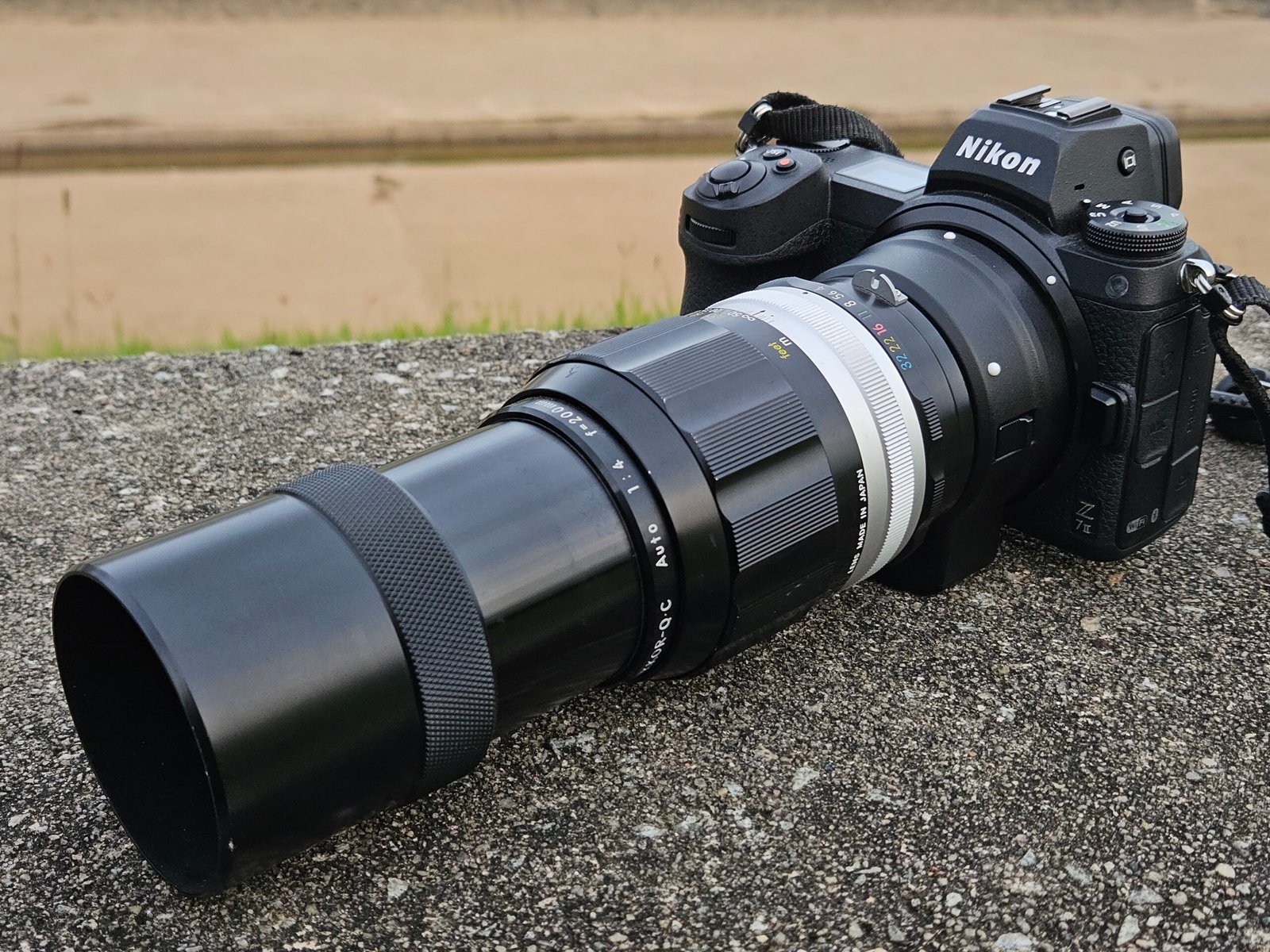
    If you’ve been browsing the used camera shops in Peninsula Plaza or scrolling through Carousell lately, you might have spotted a long, slender, all-metal lens with a distinctive silver ring. That, my friends, is the Nikkor-Q 200mm f/4 Auto.

    Released in 1961 (and in active sales through 1975), this was Nikon’s first “portable” 200mm telephoto lens for the F-mount. Back then, it was a professional tool used by photojournalists and sports photographers.

    Today, it’s often dismissed as a “dinosaur” because it lacks autofocus, image stabilization, and even AI-coupling (in its original form).

    But here’s the kicker: you can often find these for under SG$80. I bought a beaten up copy of the lens in Japan for SG$15. After spending a few weeks adapting this 60-year-old relic to my modern mirrorless setup (the Nikon Z7II), I’ve discovered that this “dinosaur” still has plenty of bite.

    Build Quality: They Truly Don’t Make Them Like This Anymore

    Nikkor-Q 200mm f/4
    Nikkor-Q 200mm f/4 beside the modern 50mm f/1.8 S

    The first thing you notice when you pick up the Nikkor-Q 200mm f/4 is the weight. At roughly 630g, it’s not a featherweight, but it’s surprisingly slim. The construction is entirely metal and glass, no plastic to be found here (they don’t make em like they used to). The lens itself is not that big, you can see the Nikon 50mm S beside it for scale.

    The Built-in Hood

    Nikkor-Q 200mm f/4 top down view

    One of my favorite features is the built-in telescoping lens hood. It’s made of solid metal and slides out with a satisfying “clunk”. The image above shows the lens with the hood slid out.

    In an era where we have to pay extra for plastic hoods or worry about losing them, this integrated design is nice and convenient.

    Nikkor-Q 200mm f/4
    The hood slides back during storage. Also, note the decent size of the focus ring that is also textured

    The Focus Ring

    The focus throw on this lens is long, nearly 270 degrees. This makes it incredibly precise for manual focusing, which is essential when you’re shooting at 200mm. The relatively thick focus ring area also helps, with the added textures as well. The dampening on my copy was still smooth enough though it could do with a little oiling via servicing.

    Optical Performance: The “Q” Stands for Quality (and Four)

    The “Q” in Nikkor-Q stands for Quattuor, Latin for four, referring to its 4-element in 4-group optical design. It’s a simple, elegant construction that yields surprisingly good results.

    Sharpness

    nikkor 200 Q.C sample shot at f/4
    shot at f/4, reasonably sharp
    nikkor 200 Q.C at f5.6, showing very good sharpness
    good details at f5.6, this was shot at ISO9000 as well.

    At f/4, the lens is respectably sharp in the center, though it has a bit of “vintage glow” (slight spherical aberration) that lowers the contrast. By f/5.6 and beyond, it sharpens up significantly. For landscape photographers on a budget, this is a fantastic performer.

    Color and Contrast

    nikkor 200 Q.C close up shot
    Close up shot at f/4

    Being a single-coated lens (unless you find the later “C” multi-coated version), the contrast is lower than modern lenses. However, this gives the images a beautiful, organic look that many photographers find more “soulful” than the clinical perfection of modern glass. The colors are slightly warm, which I personally love for golden hour shots.

    Bokeh

    shot at f/4, note the beautiful round bokeh
    shot at f/5.6, note the bokeh is now slightly angular

    With only 6 diaphragm blades, you might expect the bokeh to be busy. However, because it’s a 200mm lens, at f/4, the background compression is so strong that the out-of-focus areas usually melt away into a smooth, creamy wash. It’s a lovely lens for isolating subjects in a busy street or park.

    The Compatibility Catch: Non-AI vs. AI-Converted

    Before you rush out to buy one, there’s a major caveat for DSLR users. The Nikkor-Q is a Non-AI (Pre-AI) lens.

    •On Modern DSLRs (D7000, D850, etc.): You cannot mount this lens directly without damaging the aperture indexing tab on your camera. You must either have it “AI-converted” (milled down) or use a lower-end body like the D3000/D5000 series (which lacks the tab).

    Nikkor-Q 200mm f/4 close up of the lens

    •On Mirrorless (Nikon Z): This is where the lens truly shines. With the FTZ adapter (either version 1 or 2 is fine), you can mount this lens on any mirrorless body. Since mirrorless cameras use focus peaking and EVF magnification, manual focusing a 200mm lens becomes much easier.

    I personally use the red peaking to check for focusing. Otherwise, I use the function button (custom setting) beside the grip to do a quick, magnified check.

    Real-World Usage: The Manual 200mm Challenge

    Shooting with a manual 200mm lens in 2025 is a lesson in patience. Even with in body stabilisation (IBIS), you need to keep your shutter speeds high, ideally 1/200s or faster, to avoid camera shake. On a DSLR or bodies without IBIS, you need a faster shutter speed and manual focusing becomes more difficult as well.

    I took the Nikkor-Q to my nearby neighbourhood park for some nature photography. While I missed some fast-moving shots that a modern AF lens would have nailed, the shots I did get had a unique character. The way it renders the image and the soft transition to the background is something special.

    Here are some images from my walkaround:

    nikkor 200 Q.C sample shot
    nikkor 200 Q.C

    Nikkor-Q 200mm f/4 pricing in 2026

    If you are based in the US, you can get some pretty good deals on the lens assuming you’re not caught in a bidding war.

    For those based in Singapore like me, we can get the lens at between SG$80-$125 in 2026.

    Nikkor-Q 200mm f/4 in 2025: Who is it for?

    Is this 60-year-old lens still a good buy?

    Yes, if:

    •You are a Mirrorless User: It’s one of the cheapest ways to get a high-quality 200mm prime.

    •You Love the “Vintage Look”: The lower contrast and warm colors are perfect for creative portraits and landscapes.

    •You Appreciate Build Quality: It’s a tactile joy to use a lens that feels like a precision instrument.

    No, if:

    •You Need Speed: Manual focus at 200mm is not for sports or erratic wildlife.

    •You Shoot on a High-End Nikon DSLR: Unless it’s already AI-converted, you risk damaging your camera.

    •You Want “Clinical” Perfection: If you hate flare and want maximum contrast wide open, stick to modern zooms.

    Conclusion

    The Nikkor-Q 200mm f/4 is a reminder that great glass doesn’t have an expiration date. For the price of a few cups of coffee, you get a professional-grade telephoto lens that can still produce stunning, gallery-quality images today. It’s not the easiest lens to use, but the rewards are well worth the effort.

    If you see one in a display case, don’t walk past it. Pick it up, feel the weight, and give it a try. You might just fall in love with the “Q.”

    I also talk about another classic telephotos like the Nikon AF-S 300mm f/4D. For another old lens, check out the Sigma 50mm Macro 2.8 or the vintage zoom Nikon Series E 36-70mm f/3.5.

  • Sigma 50mm f/2.8 DG Macro Review – The Sharpest Bargain in 2026?

    Sigma 50mm f/2.8 DG Macro Review – The Sharpest Bargain in 2026?

    The Hidden Gem in the Used Market

    Why spend SG$800+ on a modern mirrorless macro lens when you can get true 1:1 magnification for under SG$150? In the world of photography, we often get caught up in the “latest and greatest” hype, but the used market is full of “sleeper” lenses that can still trade blows with modern glass.

    The Sigma 50mm f/2.8 EX DG Macro is exactly that, a hidden gem that many photographers overlook because it doesn’t have a fancy “Z” badge.

    I’ll be honest: I found my copy via the used item marketplace in Singapore called Carousell. I had been looking for a cheap and cheerful Macro lens that I can use for random walkarounds. It used to be for my D750 but now I have started using it on my Nikon Z7II.

    After years of random use, I recently dug it out again for my Z mount cameras. On the Z full frame cameras, this lens isn’t just “good for the price”, it is legitimately one of the sharpest 50mm lenses you can get for under $100.

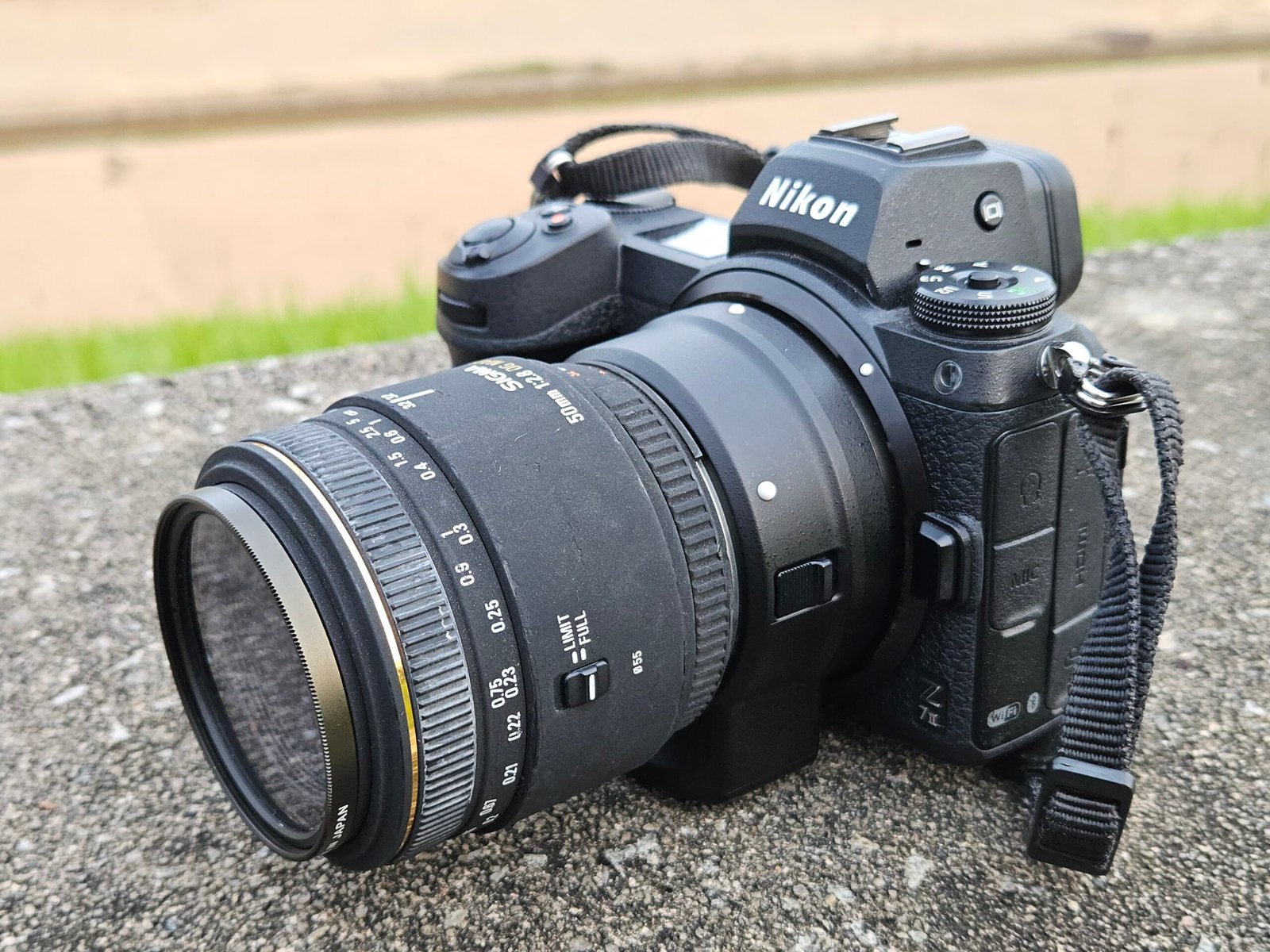
    Sigma 50mm Macro EX 2.8 on a Nikon Z7II, top down view

    Whether you’re a student on a budget or a pro looking for a dedicated product photography tool, this small Sigma lens deserves a spot in your bag.

    Build Quality & Ergonomics: Old School Sigma “EX” Standard

    The “EX” in Sigma-speak stands for “Excellence,” and back in the day, this was their professional line, the equivalent of Nikon’s “Gold Ring” or Canon’s “L” series. The build quality reflects that. It’s a dense, solid little lens that feels like it could withstand some knocks (though I don’t recommend testing that theory).

    The “EX” Finish

    Sigma 50mm Macro EX 2.8, top down view of the lens body, nikon 50mm 1.8 S for scale

    Most copies of this lens feature Sigma’s classic matte crinkle finish. While it has a unique look (can be good or bad depending on preference) and provides a great grip, be aware that on some older units, this coating can become “sticky” over time due to humidity. I’ve heard of some users in the past finding ways to scrape it off!

    The Extending Barrel

    sigma 50mm macro, extending barrel

    Unlike modern internal-focusing lenses, the Sigma 50mm uses a “telescoping” design. As you focus closer toward 1:1 magnification, the inner barrel extends significantly—almost doubling the length of the lens.

    This is important to keep in mind for your working distance. At 1:1, the front of the lens is only about 2 inches away from your subject. If you’re shooting skittish insects, you’ll need to be very stealthy!

    Focus Limiter Switch

    sigma 50mm macro focus limited

    On the side of the barrel, you’ll find a “Full/Limit” switch. This is a lifesaver. Because macro lenses have such a long focus throw, they can “hunt” if they miss focus.

    Setting the switch to “Limit” prevents the lens from searching through the entire macro range when you’re just using it as a standard 50mm prime for street or portraits.

    The “DG” Difference: Versions Explained

    If you’re hunting for this lens on Carousell or eBay, you’ll see a few different versions. It’s important to know which one you’re getting.

    •The Non-DG Version: The older “EX” version was designed primarily for film cameras.

    •The DG Version: The “DG” (Digital Grade) version is the one you want. It features updated optical coatings on the rear elements to reduce “ghosting” and flare caused by light reflecting off digital sensors. In my experience, the DG version handles shooting against the sun much better.

    The Compatibility Catch (Nikon Users)

    For my fellow Nikon shooters, there is one major caveat: this lens does not have an internal autofocus motor. It relies on the “screwdriver” motor inside the camera body.

    •Will Autofocus on: D70, D80, D90, D200, D300, D7000 series, D600, D700, D800, etc.

    •Manual Focus Only on: D40, D60, D3000 series, D5000 series.

    If you’re using a Nikon Z mirrorless camera with the FTZ adapter, it will also be manual focus only. However, with focus peaking, manual focusing this lens is actually quite manageable.

    Image Suggestion: A close-up shot of the lens mount showing the small “screwdriver” AF pin. Also, highlight the “DG” logo on the side of the barrel so readers know exactly what to look for when buying used.

    Optical Performance: Sharpness That Bites

    This is where the Sigma 50mm f/2.8 Macro truly earns its legendary status. Macro lenses are designed for flat-field sharpness, and this lens is a prime example of that.

    Center and Corner Sharpness

    sigma 50mm macro shot

    Wide open at f/2.8, the center sharpness is very good. As with many macro lenses, this Sigma 50mm is sharp enough that it can actually be “unforgiving” for portraits, revealing imperfections on a subject’s skin. In shots like this, corner sharpness is irrelevant since you’re focusing on the subject in or near the centre anyway.

    sigma 50mm macro shot at 5.6

    By f/5.6, the lens delivers much better detail but not corner-to-corner sharpness, surprisingly. When zoomed in, I can still see some blurriness in the leaves. I was also pretty sure this is not caused by motion from the wind. Maybe the lack of corner to corner sharpness is because of the age of the lens as compared to a sensor.

    Macro Capabilities

    sigma 50mm macro shot at 2.8

    This is a “true” macro lens, meaning it reaches 1:1 magnification without the need for extension tubes or close-up filters. At 1:1, a tiny object like a grain of rice will fill the entire sensor. The level of detail it can resolve, the scales on a butterfly’s wing or the micro-printing on a dollar bill, is simply incredible.

    Bokeh and Color

    Nikkor-Q 200mm f/4
    Bokeh is smooth at macro ranges, this was shot about 15-20cm away.

    Despite its clinical sharpness, the bokeh (out-of-focus areas) is surprisingly pleasant. With its 7-blade diaphragm, the background blur is smooth and non-distracting, making it a very capable portrait lens on a DX (APS-C) body, where it acts like a 75mm equivalent. There is excellent contrast thanks to those DG coatings.

    5. Real-World Usage: Not Just for Bugs

    While the Sigma 50mm f/2.8 EX DG Macro is undeniably a macro specialist, its 50mm focal length (75mm equivalent on APS-C/DX cameras) makes it surprisingly versatile.

    It’s not a one-trick pony; it can easily pull double duty as a standard prime lens for a variety of photographic genres.

    The 50mm Focal Length: A Versatile Prime

    On a full-frame camera, 50mm is often considered the “nifty fifty”—a classic focal length that closely mimics human vision. This makes the Sigma 50mm an excellent choice for street photography, environmental portraits, or even general walk-around shooting.

    landscape shot on sigma 50mm macro

    Its f/2.8 aperture, while not as fast as some f/1.8 or f/1.4 primes, still provides good low-light performance and pleasing subject separation. On an APS-C body, it becomes a short telephoto, ideal for headshots or isolating details in a scene.

    Working Distance Challenges

    One of the inherent challenges of macro photography, especially with a 50mm macro lens, is the working distance. As mentioned earlier, to achieve 1:1 magnification, the front of the lens needs to be mere inches from your subject.

    This can create several practical difficulties:

    •Lighting: It’s hard to get light onto your subject without the lens casting a shadow.

    •Subject Interaction: Live subjects like insects can be easily startled.

    •Depth of Field: At such close distances, the depth of field is razor-thin, requiring precise focusing and often focus stacking for fully sharp images.

    However, these challenges also force you to be more creative and deliberate with your shots, which can be a rewarding learning experience.

    Autofocus Speed: Managing Expectations

    Let’s be clear: this is not a sports lens. The autofocus, driven by the camera’s internal motor, is not fast by modern standards. It can be noisy, and in low light or against low-contrast subjects, it may “hunt” before locking focus.

    For macro work, most photographers will switch to manual focus anyway, using live view and focus peaking for critical sharpness. For general photography, it’s adequate for static or slow-moving subjects, but don’t expect it to track a bird in flight.

    •Image Suggestion: A “lifestyle” or street photography shot taken in a local Singapore spot (like Haji Lane or a wet market) to show its versatility as a 50mm prime.

    6. Sigma 50mm Macro vs. Nikon 50mm S f/1.8

    If you are in the market for a 50mm for your Nikon Z Mount body, you could do worse than this lens. I have done a rough check on the Singapore used and international market in 2026, below.

    Sigma 50mm Macro Price in 2026

    In Singapore, the price of the Sigma 50mm Macro ranges from S$68 to about $150. Prices will vary by condition of course.

    From a google search, prices are from US$60 and up. Regardless, this is a budget friendly lens, especially on the used market.

    Logically, one could be going for a Z mount lens like the 50mm 1.8 S or the 50mm 1.4. Pricing wise, they will likely be going for about SG$600-700.

    Alternatively, you could always look for other 3rd party Z mount lenses like the ones from Meike or Viltrox. But since I don’t own any, I cannot comment on them too much.

    7. Conclusion: Should You Buy It in 2026?

    •Final Verdict: Who is this lens for? (Budget macro enthusiasts, product photographers).

    •Pros & Cons Summary Table.

    •Closing Thought: It’s a lens that forces you to slow down and appreciate the small things.

    •Image Suggestion: A final “moody” shot of the lens with its hood on, looking professional and ready for work.

    PS.

    I also talk about other classic lenses like the Nikon AF-S 300mm f/4D. For another old lens, check out the Nikkor 200mm Q.C. f/4 or the vintage zoom Nikon Series E 36-70mm f/3.5.

  • Nikon D70 Review: The 6MP CCD Legend You Can Buy for under $100

    Nikon D70 Review: The 6MP CCD Legend You Can Buy for under $100

    Like the Nikon D40, the D70 features a 6.1-megapixel CCD sensor. While the D40 is often praised for its “magic” colors, the D70 uses a very similar sensor but with a slightly different internal processing engine.

    Images from the same 6.1 MP Sensor

    Color and Texture

    image from a Nikon D40 or Nikon D70
    Shot at ISO 200

    The D70’s images have a certain “grit” and character that modern CMOS sensors lack. At ISO 200, the colors are deep and saturated. There’s a specific way the D70 renders skin tones and natural greens that feels very “Kodachrome.”

    image from a Nikon D40 or Nikon D70
    Shot at ISO 1100
    image from a Nikon D40 or Nikon D70
    Shot at ISO 1600

    One thing to note: the D70 has a relatively weak anti-aliasing (AA) filter. This means the images are surprisingly sharp for only 6 megapixels, but you might occasionally see some moiré patterns on fine textures like fabrics. Personally, I’ll take the extra sharpness any day.

    image from a Nikon D40 or Nikon D70
    Shot at ISO 200

    The “Green” Cast?

    Some people complain that the D70 has a slight green or cool cast to its images. I don’t think it is an issue but can be easily fixed by setting a custom white balance or shooting in RAW (NEF) and tweaking it in Lightroom or your preferred editing software. Once you dial it in, the files are beautiful.

    The Secret Weapon: 1/8000s Shutter and 1/500s Flash Sync

    This is where the D70 absolutely destroys almost every modern entry-level camera.

    The Hybrid Shutter

    The D70 uses a hybrid electronic/mechanical shutter. This allows it to reach a top shutter speed of 1/8000th of a second. Most modern entry-level DSLRs and mirrorless cameras are limited to 1/4000s. This is a huge advantage when you’re shooting wide open with a fast prime lens (like the 50mm f/1.8D) in the bright Singapore sun.

    The Strobist’s Dream

    Even better is the flash sync speed. Officially, it’s 1/500s. But because of the electronic shutter, you can actually “hack” it to sync with non-dedicated flashes at even higher speeds (up to 1/8000s if you use a simple trigger!).

    The pop up flash itself can be used as a trigger for external flashes if you don’t want to carry another item on your shoot. Otherwise, it works fine for night shots and other situations where you just need a little more light in your shots, like a backlit subject or night time.

    Ergonomics: A “Real” Camera in Your Hands

    Unlike the Nikon D40 or D5000, the D70 feels like a professional tool. It has two command dials (one for aperture, one for shutter speed), a top-panel LCD, and a solid, chunky grip.

    Handling

    If you have larger hands, you will love the D70. It feels substantial. The button layout is intuitive, and you don’t have to dive into menus to change your basic settings.

    The biggest downside? The rear LCD screen. At 1.8 inches and 130k dots, it is tiny and very low resolution. It’s basically only good for checking your histogram and making sure you didn’t leave the lens cap on. You have to trust your skills and wait until you get home to see if you nailed the shot.

    The back of the camera also has the CF card slot. Take note, NOT CFexpress, the old CF card. You may or may not have the card reader, likely not if this is your first ever DSLR.

    The Internal Focus Motor

    Unlike the cheaper D40/D60/D3000/D5000 series, the D70 has a built-in focus motor. This means it will autofocus with older AF and AF-D lenses. This opens up a world of incredibly sharp and affordable vintage glass, like the legendary 85mm f/1.8D or the 24mm f/2.8D.

    Nikon D70 in 2025: Who is it for?

    Is the Nikon D70 still a good buy in 2025?

    Yes, if:

    •You are a “Strobist”: You want that high-speed flash sync for outdoor portraits.

    •You have a collection of AF-D lenses: You need a cheap body that can actually autofocus them.

    •You want a “Pro” feel on a “Peanuts” budget: Two command dials and a top LCD for under SG$100 is unbeatable.

    •You love the CCD look: It’s one of the cheapest ways to get that specific color science.

    No, if:

    •You rely on the LCD screen: It’s borderline useless for judging image quality.

    •You need high ISO: Anything above ISO 800 is noisy.

    •You need a compact camera: It’s much bulkier than a D40 or a modern mirrorless.

    •You use SD cards: The D70 uses CompactFlash (CF) cards, which are becoming harder to find and require a separate reader.

    Conclusion

    The Nikon D70 is a beast. It’s a 20-year-old workhorse that still has a lot to offer the modern photographer. It forces you to slow down, trust your settings, and focus on the light.

    If you can find one that isn’t “sticky” (the rubber coating on old Nikons often degrades, a bit of alcohol wipes can fix this!), grab it. It’s a fantastic way to experience a “pro” style DSLR for less than the cost of a memory card.

    I also talk about its newer brothers, the Nikon D100, the Nikon D200, the D300s and the much more “modern” Nikon D7000.

  • Nikon D5000 Review: The First Flip-Screen Pioneer in 2026

    Nikon D5000 Review: The First Flip-Screen Pioneer in 2026

    In the grand timeline of Nikon DSLRs, the Nikon D5000 occupies a very special place. Released in 2009, it was the first Nikon DSLR to feature an articulating (flip-out) LCD screen. At the time, purists scoffed at it, calling it a “gimmick” for amateurs.

    Fast forward to 2026, and almost every modern mirrorless camera, from the vlogging-focused Z30 to the professional Z9, owes a debt to this little pioneer. But beyond the screen, the D5000 was also a “wolf in sheep’s clothing,” packing the same legendary 12.3MP sensor found in the much more expensive Nikon D90 and D300.

    I recently picked up a well-loved D5000 to see if this “D90-lite” still holds up in the age of 4K video and AI autofocus.

    The “D90-Lite” Sensor: 12.3MP of Pure Quality (in 2009)

    nikon d5000 sample image for review, shot at iso 200
    Good details from RAW files, processed in Darktable with slight contrast and exposure adjustments

    The biggest selling point of the D5000, both then and now, is its sensor. It uses the same 12.3-megapixel CMOS sensor that made the D90 and the D300 a legend.

    Image Quality and Color

    nikon d5000 sample image for review, shot at iso 200
    No color adjustments done, RAW processed in Darktable with slight contrast and exposure adjustments

    In 2026, 12 megapixels might seem low, but as I’ve said before, it’s the quality of those pixels that matters. The D5000 produces images with excellent dynamic range and very pleasing color science. Unlike the CCD sensors in the Nikon D40 or D60, this is a CMOS sensor, which means it handles higher ISOs much better.

    I took the D5000 for a night walk around Marina Bay. Even at ISO 1600, the noise is well-controlled and has a “grainy” rather than “digital” look. If you’re shooting for social media or small prints, the 12.3MP files are more than enough.

    ISO Performance

    nikon d5000 sample image for review, shot at iso 200
    Shot at ISO 200, no issues with Noise

    •ISO 200-800: Clean and detailed enough for printing and social media

    On the Nikon D5000, noticeable noise when shot at ISO 1600, but not that bad.
    Noticeable noise when shot at ISO 1600, but not that bad.

    •ISO 1600: Very usable with minor post-processing, especially with post 2025 de-noising software.

    Nikon D3200 zoomed in, shot at ISO 3200
    Nikon D3200 zoomed in, shot at ISO 3200

    •ISO 3200 (Hi-1): Pushing it, but okay for “documentary” style shots. Potentially ok for phones and social media use.

    The Articulating Screen: A Game Changer for 2009

    nikon d5000 back view of lcd and buttons
    1st flip out screen on a Nikon DSLR way back in 2009

    The D5000’s screen was revolutionary. Unlike (most) modern screens that flip out to the side, the D5000’s screen flips down. We still had a flip down screen even til the Nikon Z50 I.

    The Good

    This design is useful for overhead shots (like shooting over a crowd at an event) or waist-level street photography. It allows you to be more discreet, looking down at the camera rather than holding it up to your eye. It’s also great for macro work, allowing you to get low to the ground without having to lie in the mud.

    The Bad

    Because it flips down, you can’t use it easily on a tripod, as the tripod head will block the screen. Also, by 2026 standards, the screen resolution is quite low (230k dots). It’s fine for framing, but don’t rely on it to judge critical sharpness, you’ll want to zoom in to check your focus. Even zooming in on the screen isn’t that great here.

    Side note: The predecessor, the D60, didn’t have a flip out screen and had weak overall specs. It did have a CCD sensor, however. Some people prefer the CCD look, if you will.

    Ergonomics and Build: Compact and Capable

    The D5000 sits right between the tiny D3000 series and the beefier D90 (thereafter the D7000 series). It’s compact enough to be a travel camera but has enough “heft” to feel like a serious tool.

    Handling

    nikon d5000 view from the side, showing grip and sd card slot

    The grip is comfortable (for small to average hands), though a bit smaller than the Nikon D7000. One thing to note is that, like the D40 and D60, the D5000 does not have an internal focus motor. You’ll need AF-S or AF-P lenses to get autofocus.

    Note the SD card slot on the right of the camera on the grip. This has only a single card slot. Simple.

    nikon d5000 close up of the grip and control dial

    As with many Nikon cameras, the controls are familiar, with the control dial on the right side for beginner friendly cameras. I personally just used MASP modes and didn’t bother with the presets. Even after so many years, the buttons on the camera worked well.
    nikon d5000 left side with the function and the flash buttons

    If you look at the image above, on the left of the camera, there are 2 buttons. The top button is for the pop up flash, handy when you’re shooting in an area with little light and you just need something for the photo. The bottom button is a customisable function button that you can use for different functions.

    Personally, I set it to ISO for easier control on the fly. These have been implemented from the previous cameras and continue to be used in future cameras even until the D5600 released in 2016.

    Nikon d5000 top down view
    Paired with an old, small manual zoom.

    I would recommend pairing it with the Nikon 18-55mm VR kit lens and the 35mm f/1.8G (or any other small lens for the matter). The balance was perfect. It’s a setup that you can carry all day without feeling like you’ve been to the gym.

    Video: The 720p Time Capsule

    The D5000 was one of the first DSLRs to offer video (D-Movie). However, in 2025 and beyond, this is where the camera shows its age the most.

    •Resolution: 720p HD (not 1080p or 4K). This is the main downer, but you can at least record something in a pinch. But honestly, even your phone will be way better than this.

    •Focus: No autofocus during video. You have to focus manually. Not a problem for people with experience, though many have been spoilt in recent years by the fast Autofocus in modern cameras and face detection functions.

    •Audio: Mono internal microphone only (the in built mic isn’t the best for audio capture as well); no external mic jack.

    If you’re looking for a vlogging camera in 2026, this isn’t it. But if you want to capture short, “vintage-looking” clips for a nostalgic reel, the 720p footage has a certain charm to it.

    Pricing in 2026

    Prices for a used D5000 in 2026 in Singapore
    Prices for a used D5000 in 2026 in Singapore

    The D5000 was never an expensive camera even when it was first released in 2009. After 16+ years, you can get it even with a kit lens for SG$100 or less.

    Best Lenses for the Nikon D5000

    Any of the 18-55mm kit lenses – small, compact, cheap and sharp enough.

    If you can find it, the older 18-70mm kit lens.

    Small manual lenses if you don’t mind or like manual focus

    Nikon 35mm f/1.8G DX – small, cheap and sharp. Being a prime lens, gives you bokeh when the background is far enough.

    Nikon 50mm f1.8G – small, cheap and sharp. Being a prime lens, gives you bokeh when the background is far enough. One issue compared to the 35mm is that it might be a little too “zoomed in” when you shoot landscape, but you can learn photo composition with this limitation.

    Nikon D5000 in 2026: Who is it for?

    Is the Nikon D5000 still a good buy in 2026?

    Yes, if:

    •You are a beginner on a budget: You get a DSLR with a large sensor for learning photography cheaply (potentially under $100).

    •You love low-angle or macro photography: The articulating screen is a lifesaver.

    •You want a “beater” camera: Something you can take to the beach or on a hike without worrying about your expensive mirrorless gear.

    No, if:

    •You need video: The 720p limit and lack of mic jack are dealbreakers for modern creators (why are you using this for content creation in 2026).

    •You use a tripod constantly: The bottom-hinged screen is frustrating for tripod use.

    •You need fast tracking AF: The 11-point AF system is reliable but not built for fast action.

    Conclusion

    The Nikon D5000 is a fantastic entry point into the world of Nikon DSLRs. It offers a perfect balance of “old school” charm and “modern” convenience. While it lacks the CCD magic of the D40, it makes up for it with a much more versatile CMOS sensor and that handy flip screen.

    If you can find one in good condition (check the screen hinge!) for under SG$100, it’s a steal. It’s a camera that will teach you the fundamentals while still delivering images that can hold their own in 2026.

    I also talk about its more advanced cousin, the Nikon D7000, and other old semi professional cameras like D100, D200 and D300.

  • Nikon D60 Review: Is the CCD Magic Still Real in 2026?

    Nikon D60 Review: Is the CCD Magic Still Real in 2026?

    The Nikon D60, released in early 2008, was a pivotal camera for Nikon. It was the successor to the D40x and sat just below the D80 in the lineup. At the time, it was praised for its compact size and ease of use.

    But for the past few years through 2025, the landscape of photography has shifted dramatically. We have mirrorless monsters with eye-tracking that can see in the dark, and smartphones that use AI to fake bokeh.

    So, why talk about a 10.2-megapixel DSLR from nearly two decades ago?

    I recently spent a few weeks shooting with a “minty” Nikon D60 I picked up for a song on the used market. Having used everything from the D3s to the latest Z-mount bodies (Z6, Z7II, Z30, Z50), I wanted to see if this little CCD-sensor camera still had a place in a modern photographer’s bag.

    Ergonomics and Build: Small but Mighty

    Nikon D60 grip, top of the camera, showing dial and shutter button

    The “Goldilocks” Grip

    One thing Nikon has always nailed is ergonomics, and the D60 is no exception. Despite being one of the smallest DSLRs Nikon ever made, the grip is surprisingly deep and comfortable. If you’re used to the beefy D700 (or Z6, Z7 etc) or even a D7000 (or Z30, Z50), the D60 will feel like a toy at first. However, after a long day of street photography, your wrists will thank you.

    It’s light enough to carry all day with a prime lens like the 35mm f/1.8G, yet it feels substantially more “serious” than a entry level compact camera or a smartphone.

    The top dial is the usual Nikon entry grade dial with all the presets, for me, I use the usual M, A, S, P modes. When using a manual lens, then M mode for sure.

    Nikon D60 flash popped up

    Nikon D60’s pop up flash

    There’s nothing special here, the flash is there if you need it in a pinch. Expect the usual washed out colors from photos taken with a direct flash.

    Personally, I use on camera flashes as a trigger for my off camera flashes or strobes. I find it more convenient compared to a dedicated trigger and also to keep my gear simpler.

    The Viewfinder Experience

    Coming from the electronic viewfinders (EVF) of the Z-series (as if you’re not looking at enough screens), looking through the D60’s optical pentamirror viewfinder is a breath of fresh air.

    It’s a direct, lag-free view of the world. It’s not as large or bright as the pentaprism in a D300s or better yet the full frame DSLRs, but it’s more than enough for framing.

    Nikon D60 lcd screen, back view

    The 2.5-inch LCD on the back, however, is where the age shows. With only 230k dots, it’s not great for judging critical sharpness, but it’s fine for checking exposure and navigating the simple menus.

    Side note: Officially, the D60 was succeeded by the D5000, with an upgraded flip out screen.

    The CCD Sensor: The Secret Sauce

    Sample image from Nikon D60 taken with a manual lens.
    Sample image from Nikon D60 taken with a manual lens.

    The main reason anyone buys a Nikon D60 in 2025 is the 10.2MP CCD sensor. Most modern cameras use CMOS sensors, which are better for high ISO and video. But many enthusiasts swear by the “CCD look”, a certain film-like quality to the colors and a unique way it handles skin tones and highlights.

    Can you try to replicate this look in Lightroom or Photoshop? Sure. Will it be potentially more work for you. Yes.

    In this regard, the D60’s color science should help you out.

    Color Science

    sample image from Nikon D60
    image processed from Raw but with no added grading

    In good light, the D60 produces images that are punchy and vibrant right out of the camera. There’s a “thickness” to the colors that I sometimes find lacking in modern CMOS files. If you shoot RAW (NEF), you’ll find that the files are very malleable at base ISO (200).

    ISO Performance (The Trade-off)

    Here is the reality check: the D60 is a “fair weather” camera.

    •ISO 200: Reasonably clean and detailed. No issues using this image.

    •ISO 400-800: Noticeable grain, but it looks more like film grain than digital noise. Noise artefacts are noticeable and needs work.

    •ISO 1600: Extensive noise in the shadows, loss of detail. In the sky, there is an ugly red line stretching horizontally. Acceptable in small sizes but needs alot of denoising work.

    •ISO 3200 (Hi 1): Use only in emergencies. You can see the image is has noise everywhere, with patterns and the ugly horizontal red line getting worse.

    Unlike the modern cameras (like the Z series cameras), the D60 is not ISO invariant. If you underexpose a shot and try to “push” it 3 stops in Lightroom, you’re going to see a lot of ugly noise and color shifting.

    My advice? Get it right in the camera, use the semi auto modes like A and S for the right exposure settings and stick to well-lit environments. For night shots, use a flash or a tripod.

    Autofocus: Three Points of… Simplicity?

    Image credited to Imaging Resource

    The Nikon D60 features a 3-point AF system. Yes. Just three.

    In an era where we have hundreds of AF points covering the entire frame, 3 points feels incredibly restrictive. However, it forces you to slow down. I found myself using the “focus and recompose” technique almost exclusively. It’s not a camera for tracking fast-moving birds or erratic toddlers, but for portraits, landscapes, and still life, it gets the job done.

    Note on Lenses: The D60 does not have an internal focus motor. This means it will only autofocus with AF-S or AF-P lenses. If you mount an older AF-D lens, you’ll be focusing manually. While this might seem like a drawback, it’s a great way to learn the fundamentals of manual focus!

    Image Quality: 10 Megapixels is Enough

    “Only 10 megapixels?” you might ask.

    Unless you are printing billboards, 10MP is plenty. For Instagram, Facebook, and even A4-sized prints, the D60 delivers more than enough detail. The lower pixel density actually makes the images look very “smooth” and less clinical than the 45MP monsters of today.

    One personal anecdote: I took the D60 to a local park for some macro shots of flowers. Pairing it with an old manual focus Micro-Nikkor lens, the results were really quite good (for an old camera). The way the CCD sensor rendered the images was quite pleasant to my eyes.

    Pricing in 2026

    Used nikon d60 pricing in singapore in 2026

    This is an old camera after all, so the pricing will naturally be quite low. A well used unit can be had for between $60 to $100, with a kit lens as well, if you’re lucky.

    The fact that it was an entry level camera should also help lower pricing and help negotiations, though there was a surge in demand for cameras with CCD sensors due to social media.

    Nikon D60 in 2025: Who is it for?

    Is the Nikon D60 still a good buy in 2025?

    Yes, if:

    •You are a student or beginner on a tight budget (you can find these for under SG$150 with a kit lens).

    •You want to experience the “CCD magic” without spending a fortune on a Leica M9.

    •You want a simple, “back to basics” photography experience.

    No, if:

    •You need to shoot video (the D60 has no video mode).

    •You do a lot of low-light or indoor photography without a flash.

    •You need fast, reliable tracking autofocus.

    Best Lenses for the Nikon D60

    Any of the 18-55mm kit lenses – small, compact, cheap and sharp enough.

    If you can find it, the older 18-70mm kit lens.

    Small manual lenses if you don’t mind or like manual focus

    Nikon 35mm f/1.8G DX – small, cheap and sharp. Being a prime lens, gives you bokeh when the background is far enough.

    Nikon 50mm f1.8G – small, cheap and sharp. Being a prime lens, gives you bokeh when the background is far enough. One issue compared to the 35mm is that it might be a little too “zoomed in” when you shoot landscape, but you can learn photo composition with this limitation.

    Conclusion

    The Nikon D60 is a reminder of a simpler time in digital photography. It doesn’t have Wi-Fi, it doesn’t have 4K, and it won’t track a bird’s eye from a mile away. But what it does do is take beautiful, soulful (with it’s own quirk) photographs if you give it enough light.

    If you can find one in good condition for a low price, go for it. It’s a fantastic “second camera” or a dedicated tool for when you want that specific CCD look.

    I cover DSLRs of a similar generation like the D70s, D40. I also talk about other classic DSLRs like the Nikon D7000 and the Nikon D300s.